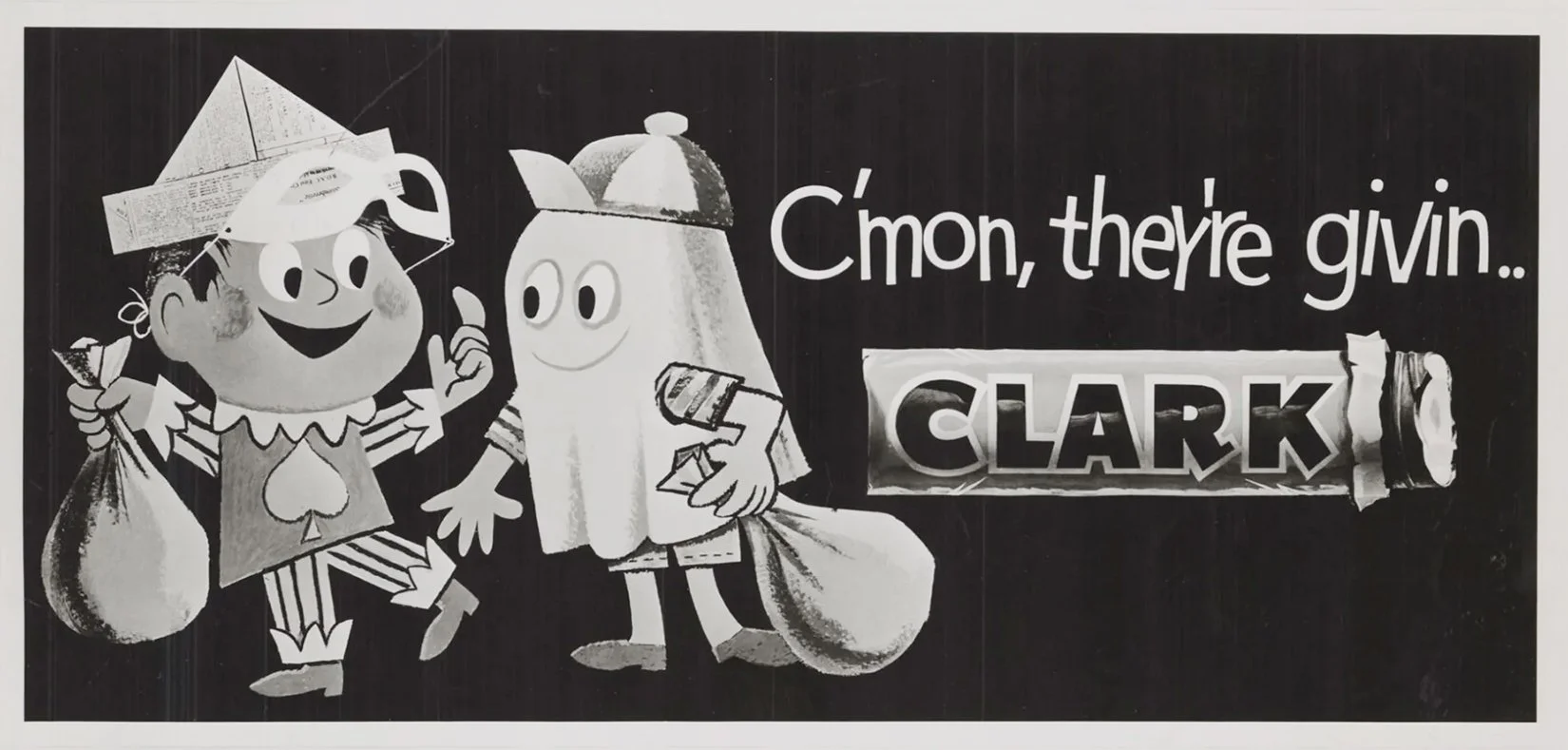
CLARK
THE ORIGIN OF THE CLARK BAR
The Clark Bar was introduced in 1917 by Irish confectioner David L. Clark in Pittsburgh, Pennsylvania. Clark founded the D. L. Clark Company in 1886, originally selling candy from a horse-drawn wagon before expanding it into one of western Pennsylvania's largest confectionery manufacturers. The Clark Bar featured a crisp peanut butter and spun taffy center coated in milk chocolate and originally included a caramel core. Its innovative design made it the first American "combination" candy bar to achieve nationwide success, paving the way for later candy bars such as Butterfinger and 5th Avenue. During the First World War, individually wrapped Clark Bars were shipped overseas to American servicemen, helping introduce the candy to consumers throughout the United States and establishing it as one of Pittsburgh's most famous products.
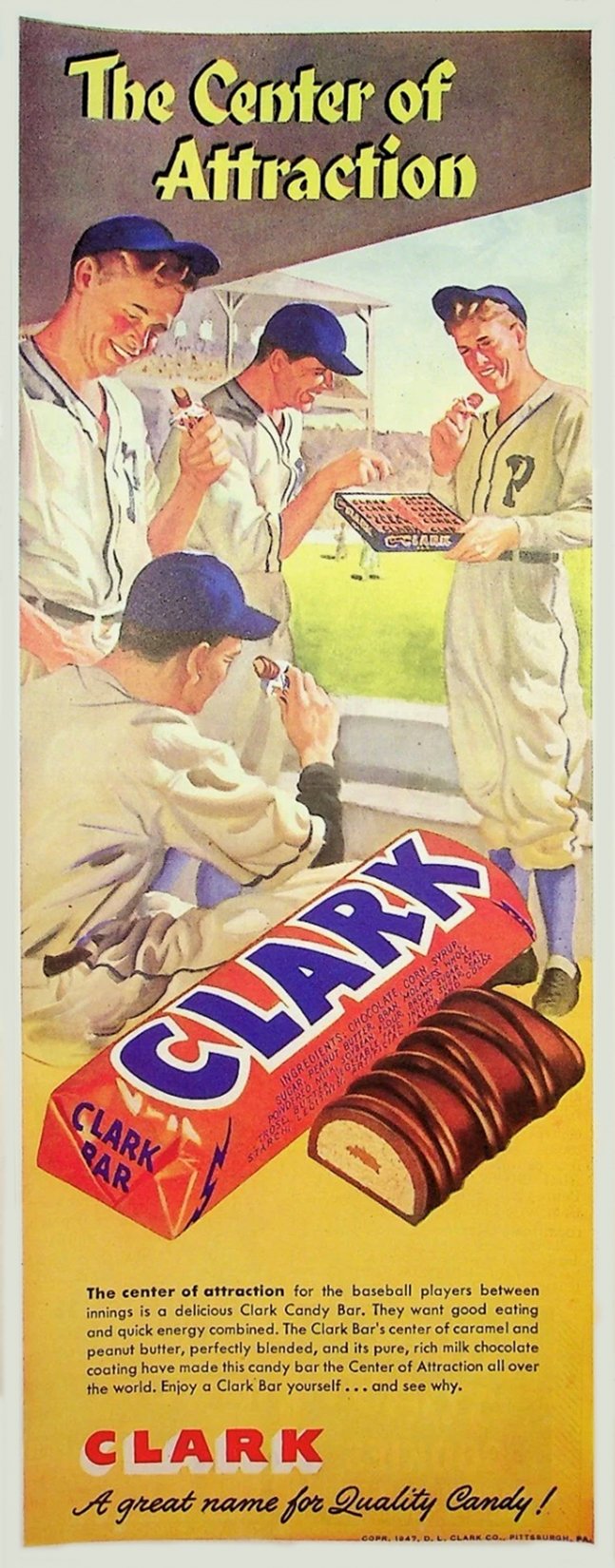
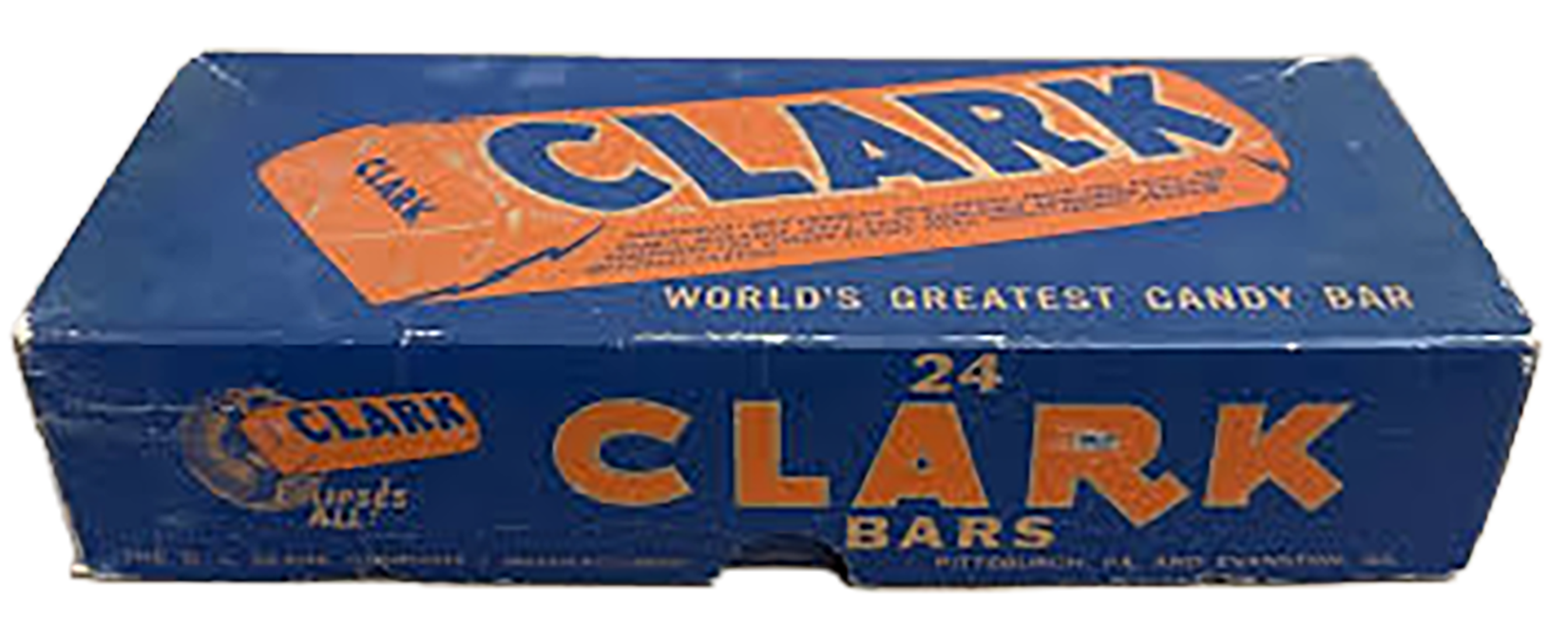
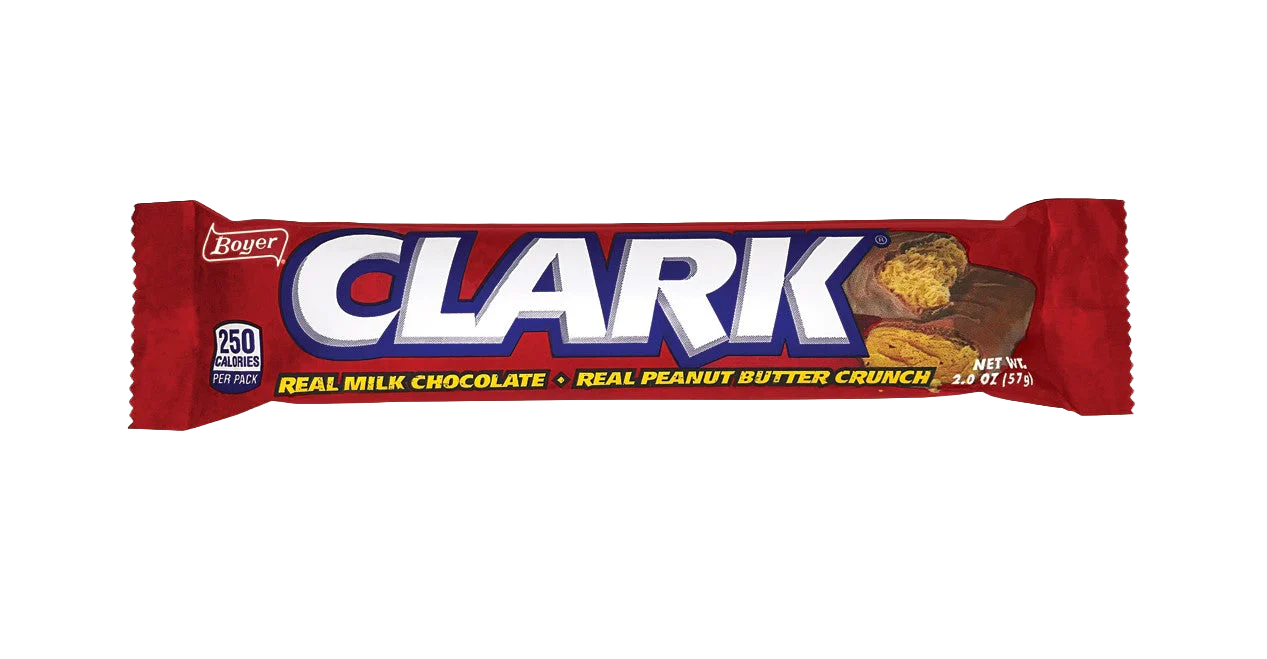
Throughout the twentieth century, the Clark Bar remained the best-selling product of the D. L. Clark Company and became an enduring symbol of Pittsburgh's confectionery industry. The candy bar gained additional popularity during the Second World War, when the company supplied as many as 1.5 million bars per day to American military personnel, leading the federal government to classify production as essential to the war effort. After decades of ownership changes involving companies such as Beatrice Foods, Leaf Candy, and New England Confectionery Company, Necco, the future of the Clark Bar became uncertain following Necco's bankruptcy in 2018. The brand was ultimately purchased by the Pennsylvania-based Boyer Candy Company, which returned production to western Pennsylvania and reintroduced the Clark Bar to store shelves in 2020, preserving one of America's oldest and most beloved candy bars for a new generation.
CLARK BAR THROUGH THE YEARS