HEINZ
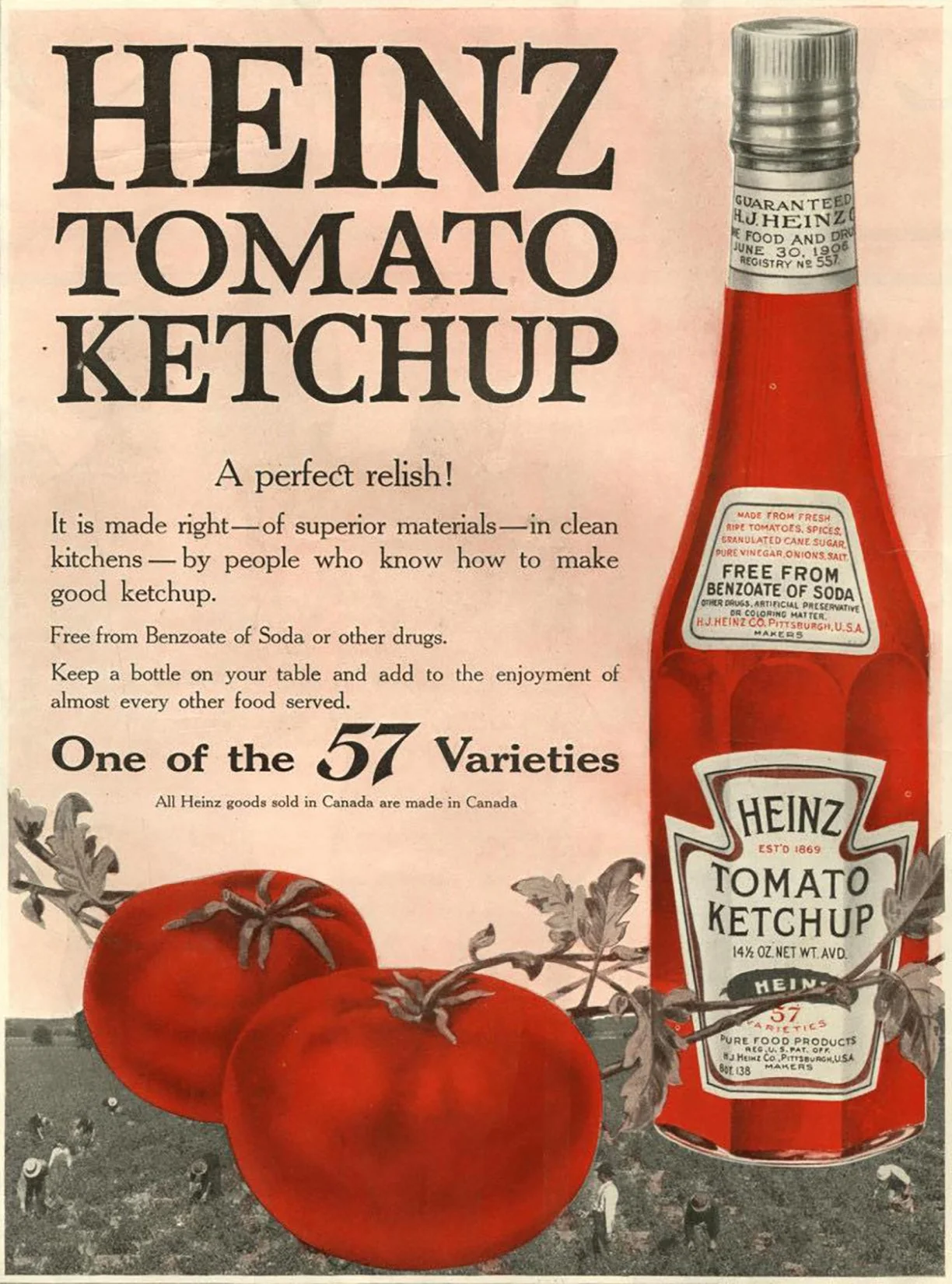
Heinz Tomato Ketchup was created in 1876 in Pittsburgh, Pennsylvania, by Henry John Heinz. Heinz originally produced and sold bottled horseradish, pickles, sauerkraut, and vinegar before developing “catsup” to help revive and expand his struggling business. Originally released under the name “catsup,” the condiment was preservative-free and made from tomatoes, vinegar, salt, and a proprietary blend of spices. The product was an immediate success, and by 1907, Heinz was selling 12 million bottles annually.
THE ORIGIN OF HEINZ KETCHUP
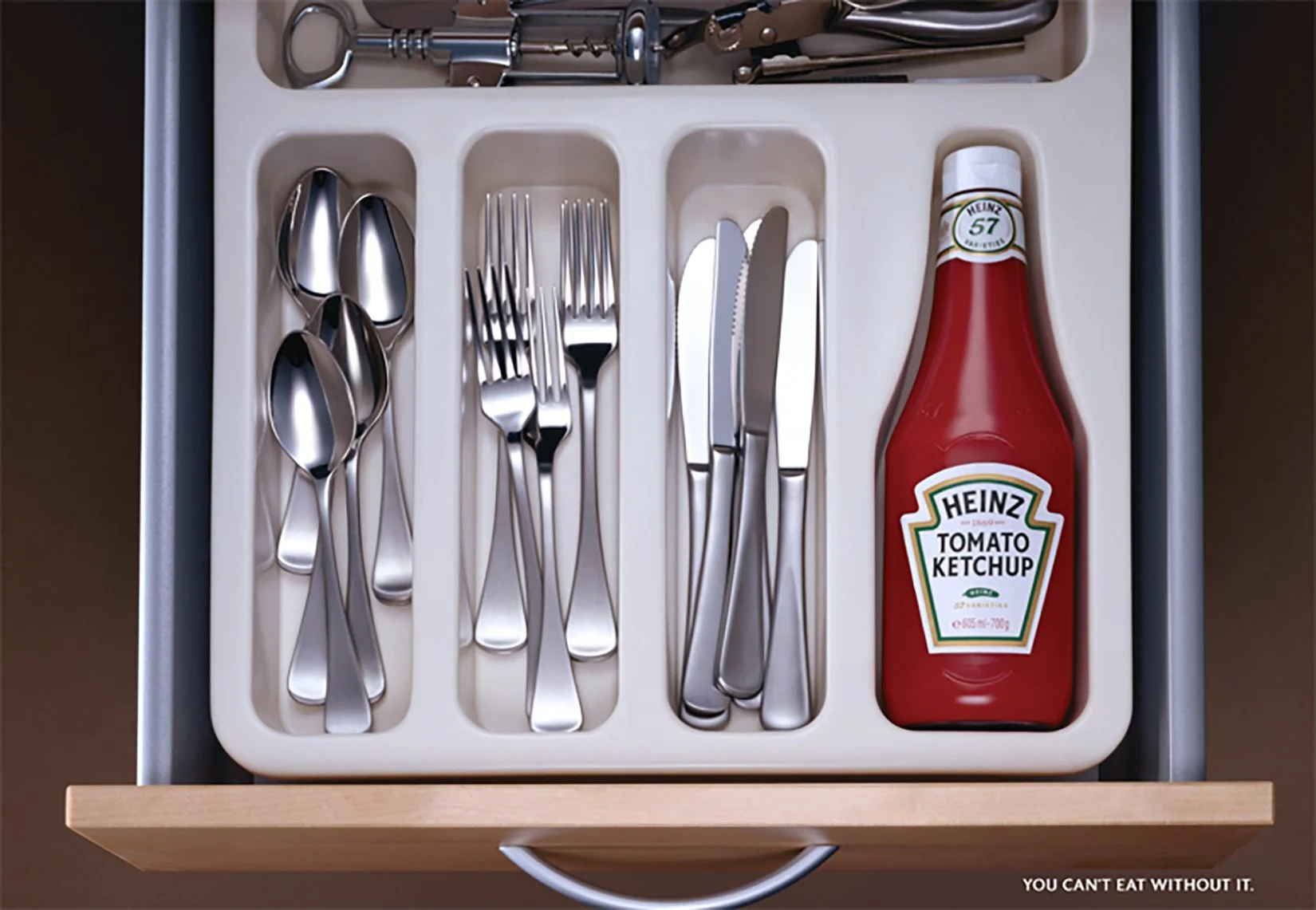
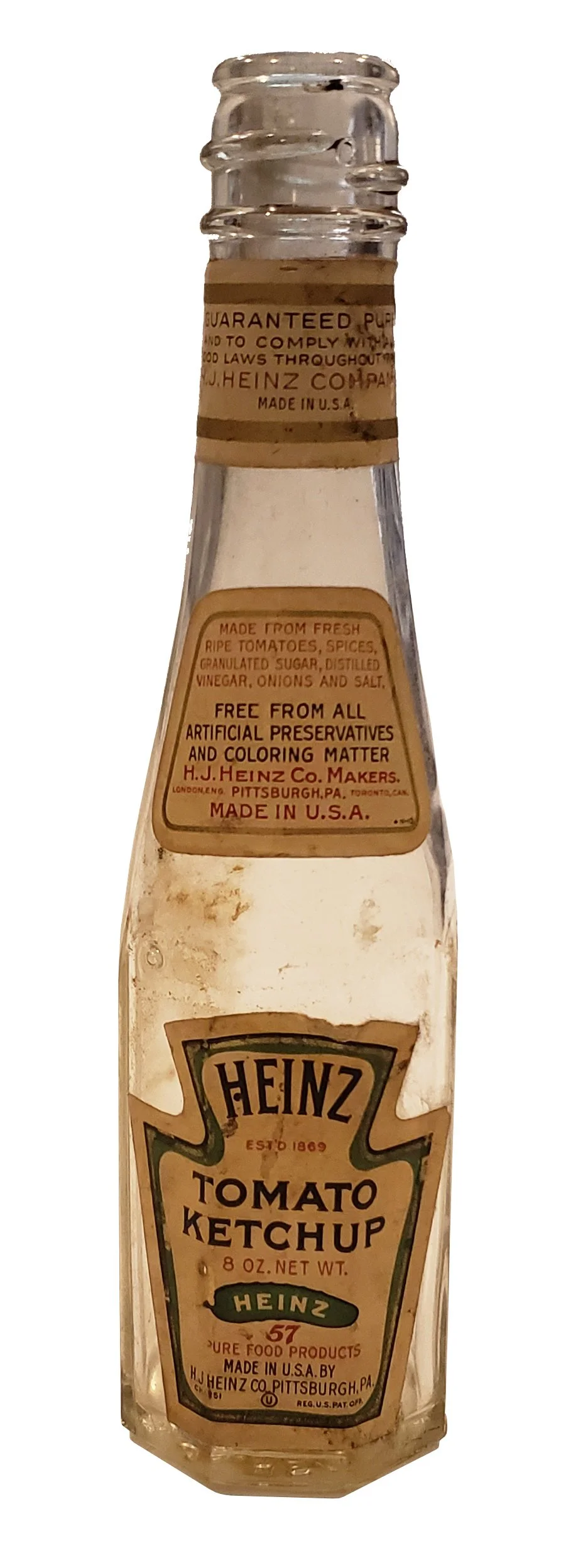
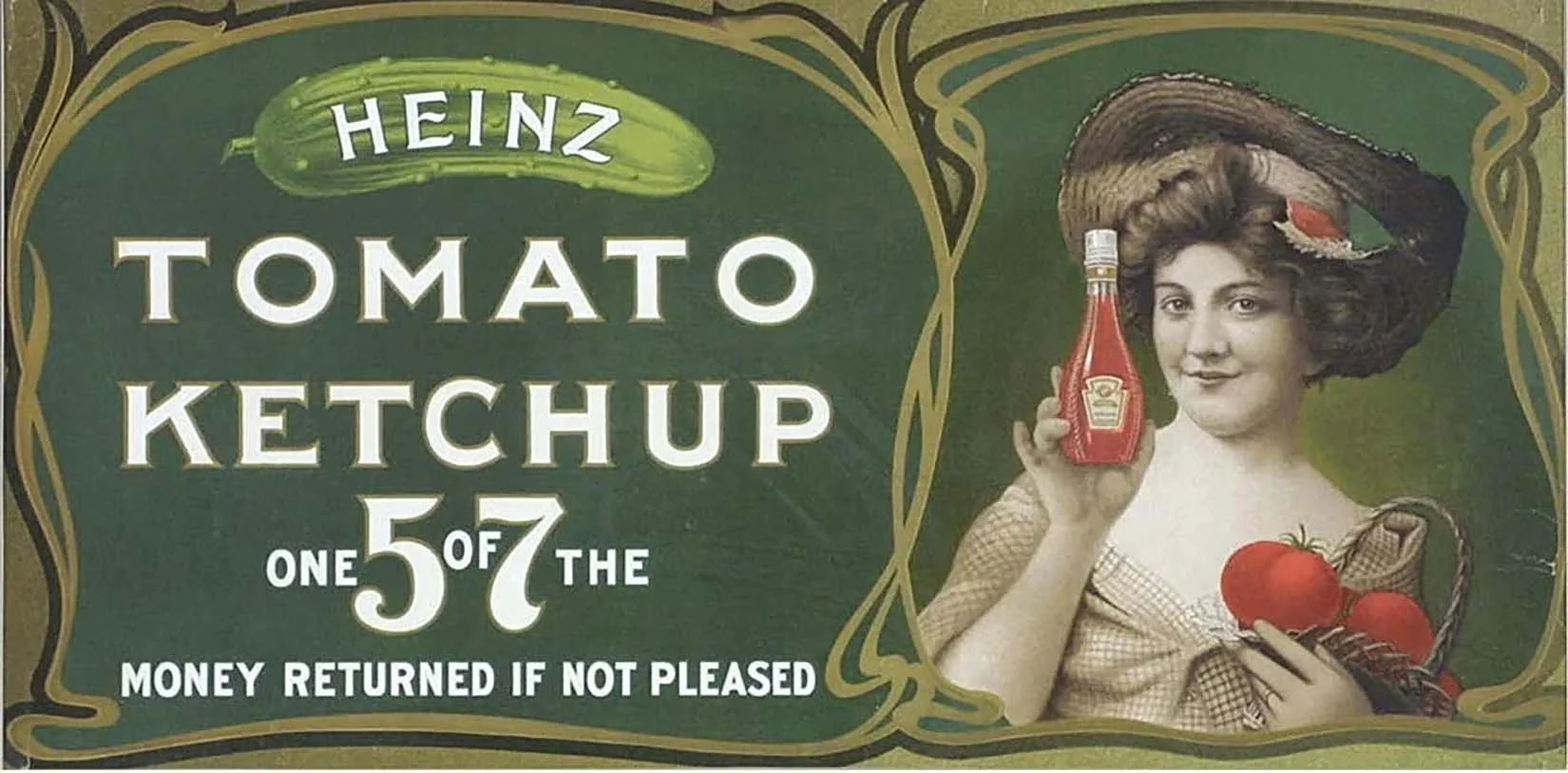
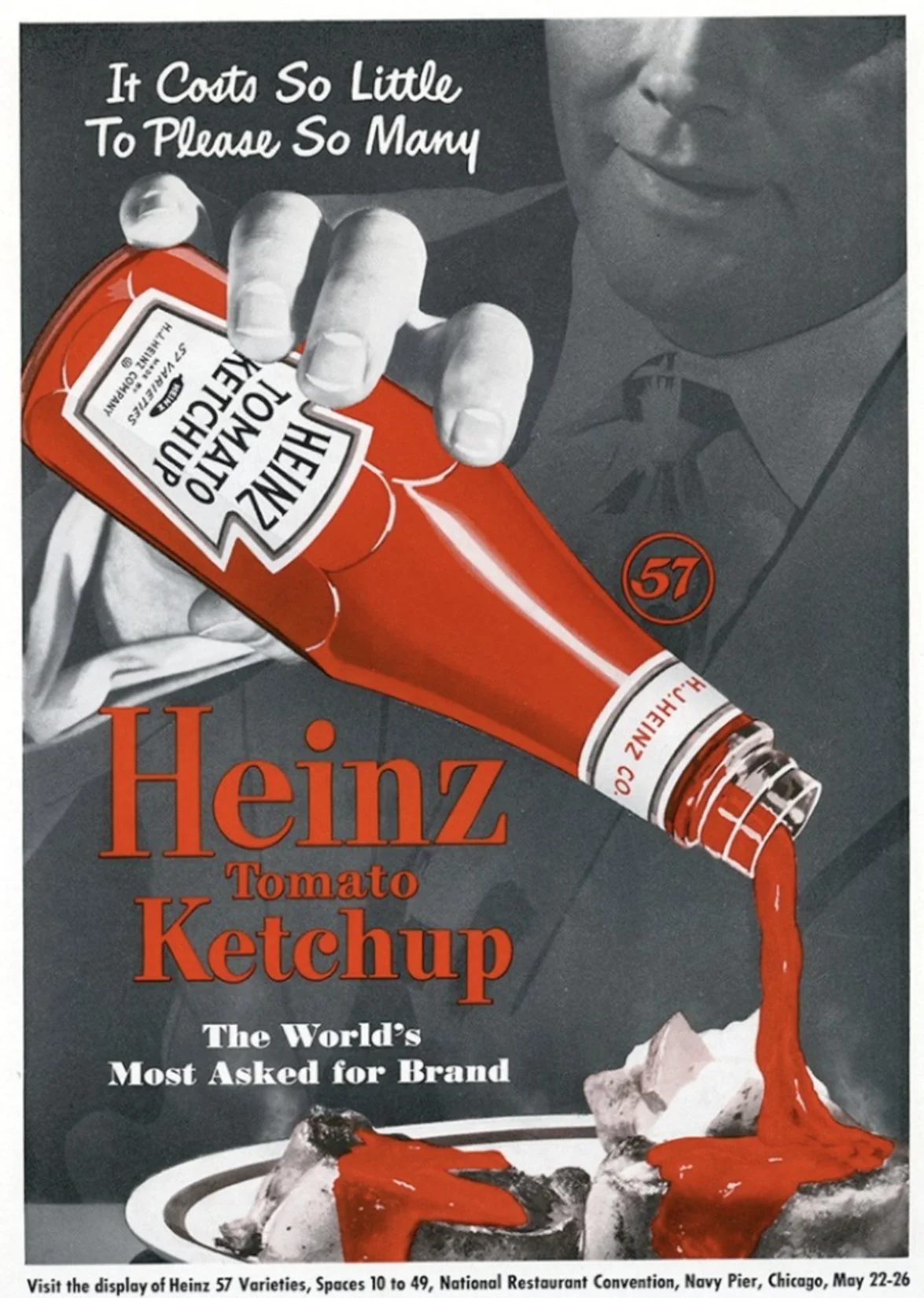
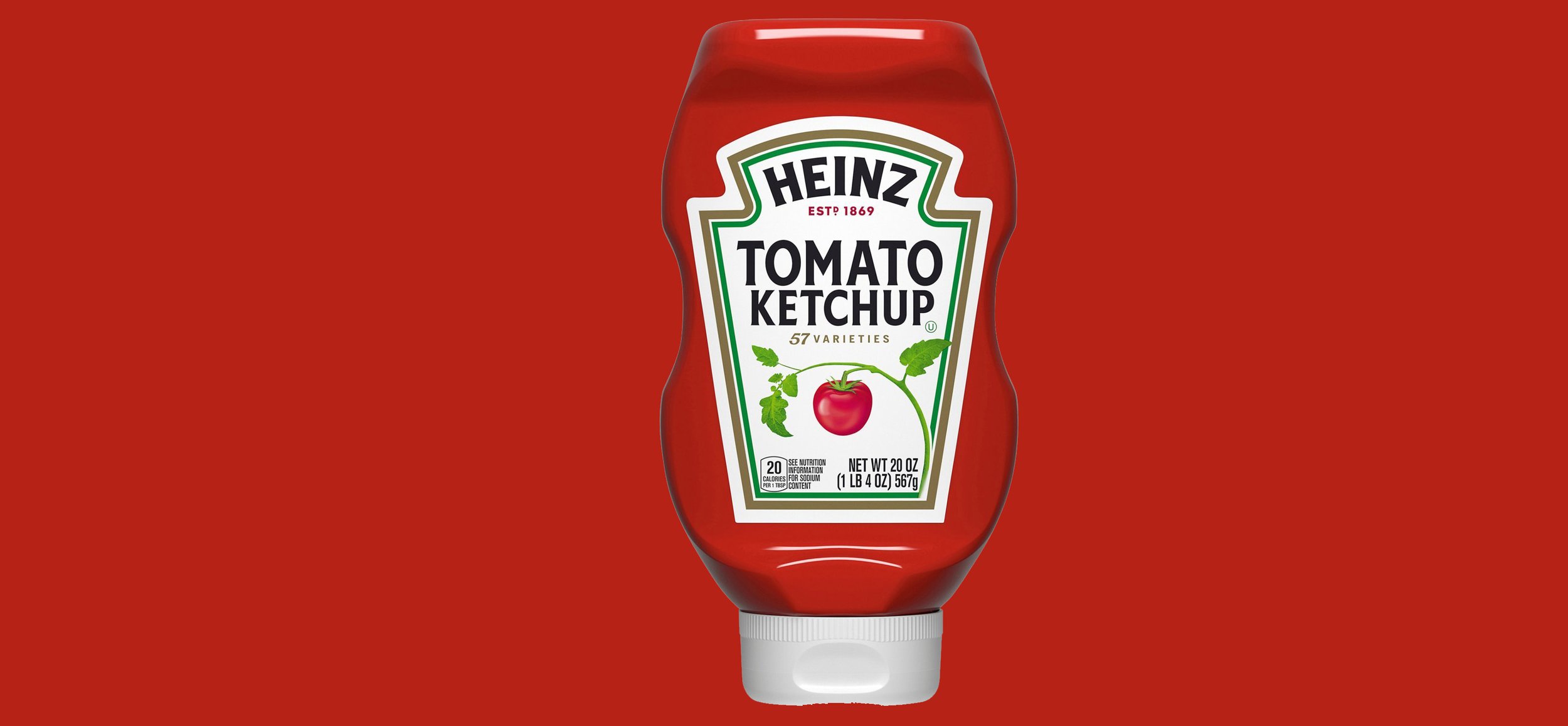
Heinz gained more popularity from their brilliant marketing. The memorable “57 Varieties” campaign introduced in 1896 made Heinz instantly recognizable, and consumers trusted the company because of its large food line. Many people mistakenly believe the number refers to 57 actual products, but it was instead a marketing idea developed by Henry Heinz, inspired by a shoe company advertising “21 styles.” At the time, Heinz already produced more than 60 products by 1896, and he chose the number 57 simply because it sounded catchy and easy to remember. Unlike the 57, the ketchup label has meaning. The red border of the label was made to be the exact color of the sauce to prevent restaurants from filling the bottles with another company's cheaper product, and the label shape is made to replicate the keystone architectural motif shape of Pennsylvania. Today, Heinz is one of the most recognized food brands in the world, and Heinz ketchup is the best-selling ketchup globally, with over 650 million bottles sold annually worldwide.
THROUGH THE YEARS