KODAK
THE BRAND THAT DEMOCRATIZED PHOTOGRAPHY
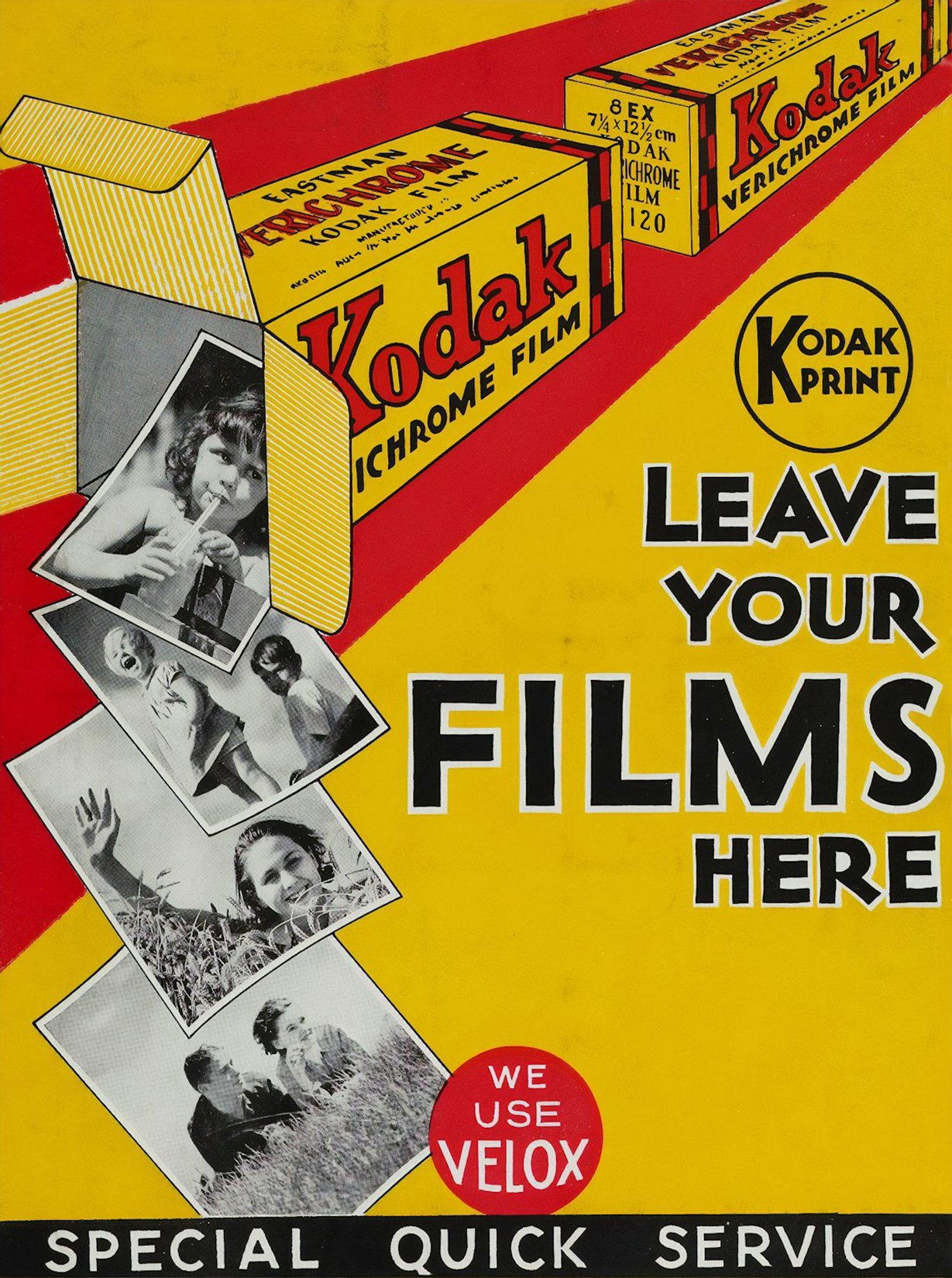
The Kodak camera company got its start in 1881 when George Eastman discovered a way to commercially manufacture dry photographic plates. On January 1, George Eastman and Henry Strong started the Eastman Dry Plate Company in Rochester, New York. Eastman's dry plates simplified photography, allowing photographers to spend less time preparing chemicals and more time taking photographs. A few years later, in 1888, Eastman and his team perfected translucent film and were the first to commercially release it to the market. In the same year, Kodak released its first camera for $25, equal to $800 today. It included a 100-exposure roll of film and eliminated the use of chemicals and dark rooms. After the film was used, customers mailed the camera back to Rochester, where Kodak developed the photographs, reloaded the camera with fresh film, and returned it to the owner for $10.
KODAK’S LONG EXPOSURE
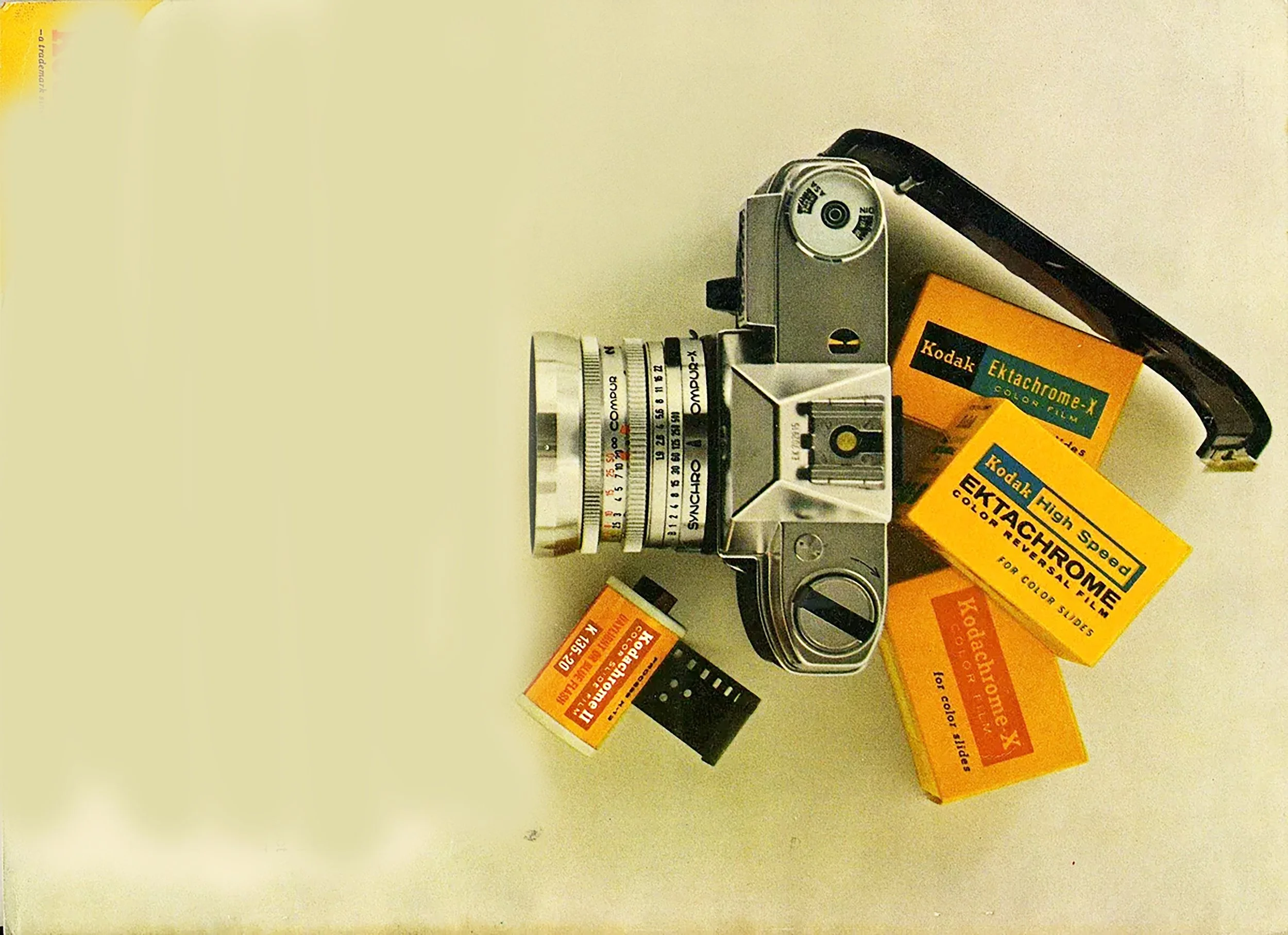
The new camera was promoted along with the slogan, "You press the button, we do the rest," which quickly caught on and became one of the most famous advertising phrases in history. Kodak then released the Brownie camera in 1900, a simple box camera with a basic lens that originally sold for just $1, with film that cost only 15 cents for six exposures. Kodak also became the first company to commercially release a camera with color film, Kodachrome, in 1935. By the early 1970s, Kodak dominated the global film industry and became one of the most recognizable brands in the world, constantly expanding its product line. Kodak engineer Steve Sasson invented the world's very first digital camera in 1975, making a breakthrough that would eventually transform the photographic industry forever. Today, Kodak remains one of the most recognizable names in photography and a symbol of preserving life's memorable moments worldwide.