LEGO
BRICK BY BRICK
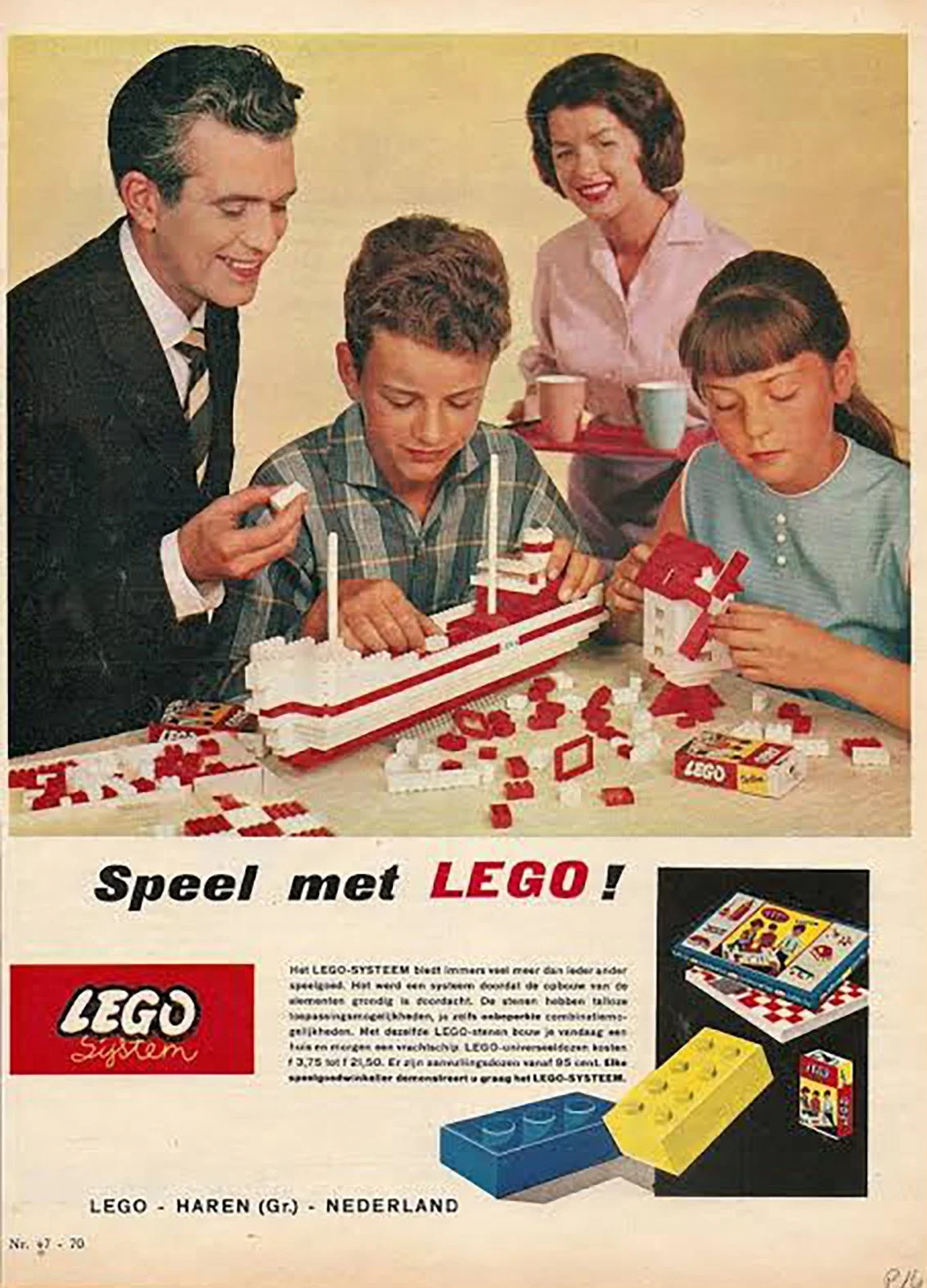
Lego was invented in 1949 by Danish carpenter Ole Kirk Christiansen, in Billund, Denmark. Christiansen started out making wooden furniture in his carpentry shop before shifting to wooden toys and dolls. Cristiansen named his company Lego in 1934, derived from the Danish phrase leg godt meaning play well. Later in 1947 the LEGO company purchased Denmark's first plastic injection molding machine and began creating new plastic toys. In 1949 LEGO released plastic interlocking bricks called Automatic Binding Bricks, laying the foundation for the modern LEGO toy system. The brick's design continued to evolve, and on January 28, 1958, LEGO patented its hollow tube-and-stud coupling system, creating the strong interlocking connection that LEGO bricks still feature today.
A LEGACY BUILT BY LEGO
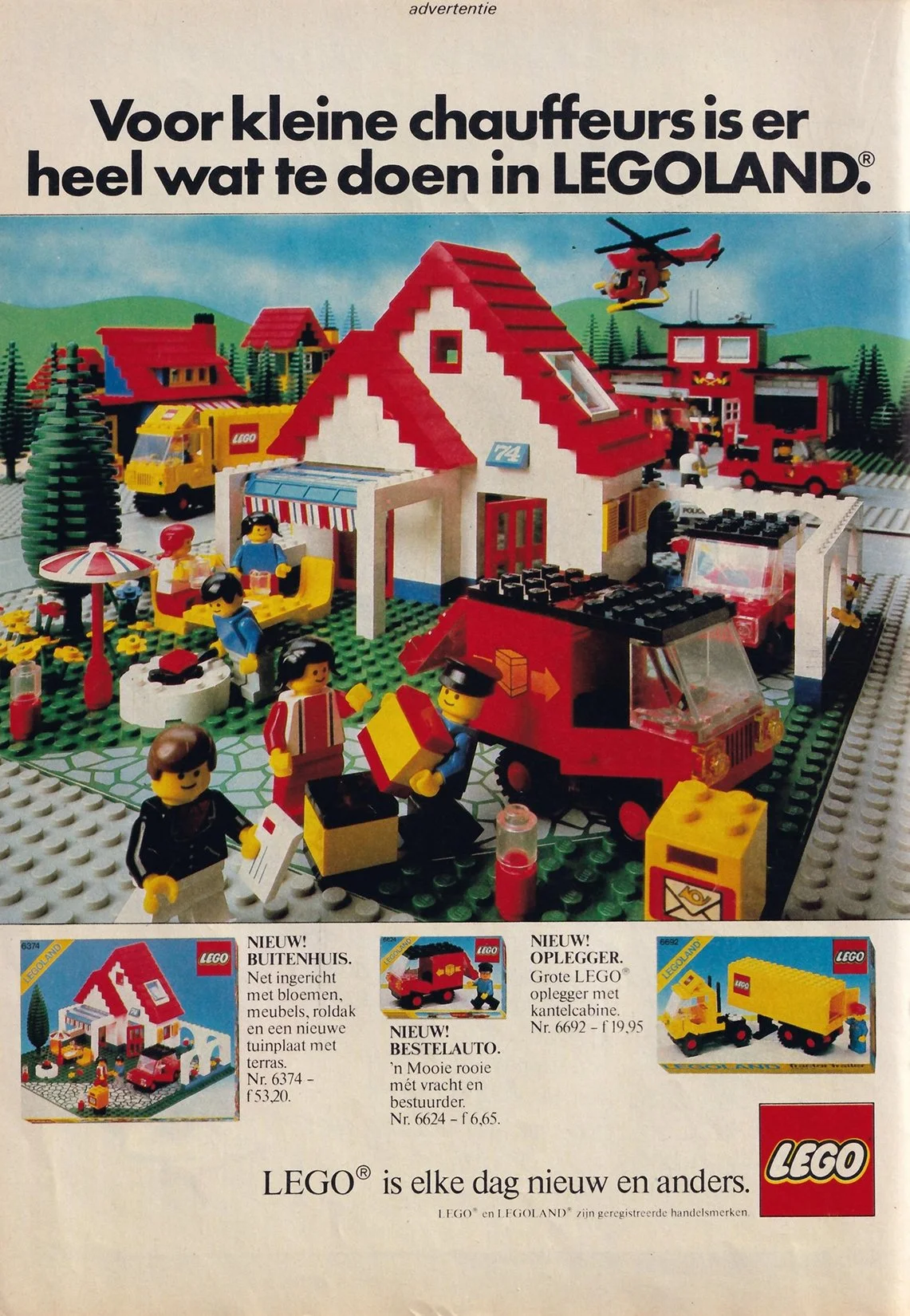
A few years later, LEGO introduced its first wheel system, greatly expanding the possibilities for building vehicles and other models. As the popularity of LEGO continued to grow worldwide, the company opened the first LEGOLAND park in Billund, Denmark, on June 7, 1968, giving visitors the opportunity to experience LEGO creations on a larger scale. A few years later, LEGO introduced the DUPLO line, featuring oversized bricks designed specifically for toddlers and young children, making construction safer and easier for small developing hands. Over the years, LEGO has introduced many iconic products, including the LEGO minifigure, LEGO Star Wars sets, and the LEGO Technic line. Each of these innovations has helped establish LEGO as one of the world's most recognizable toy brands. The company has also expanded beyond toys with licensed themes, video games, and feature films, all of which have contributed to LEGO's growing global popularity. Today, LEGO is recognized as one of the world's most influential and best selling toy brands, with its interlocking brick system inspiring creativity, engineering, and imaginative play for generations.