MONOPOLY
PROPERTY, POWER &
PARKER BROTHERS
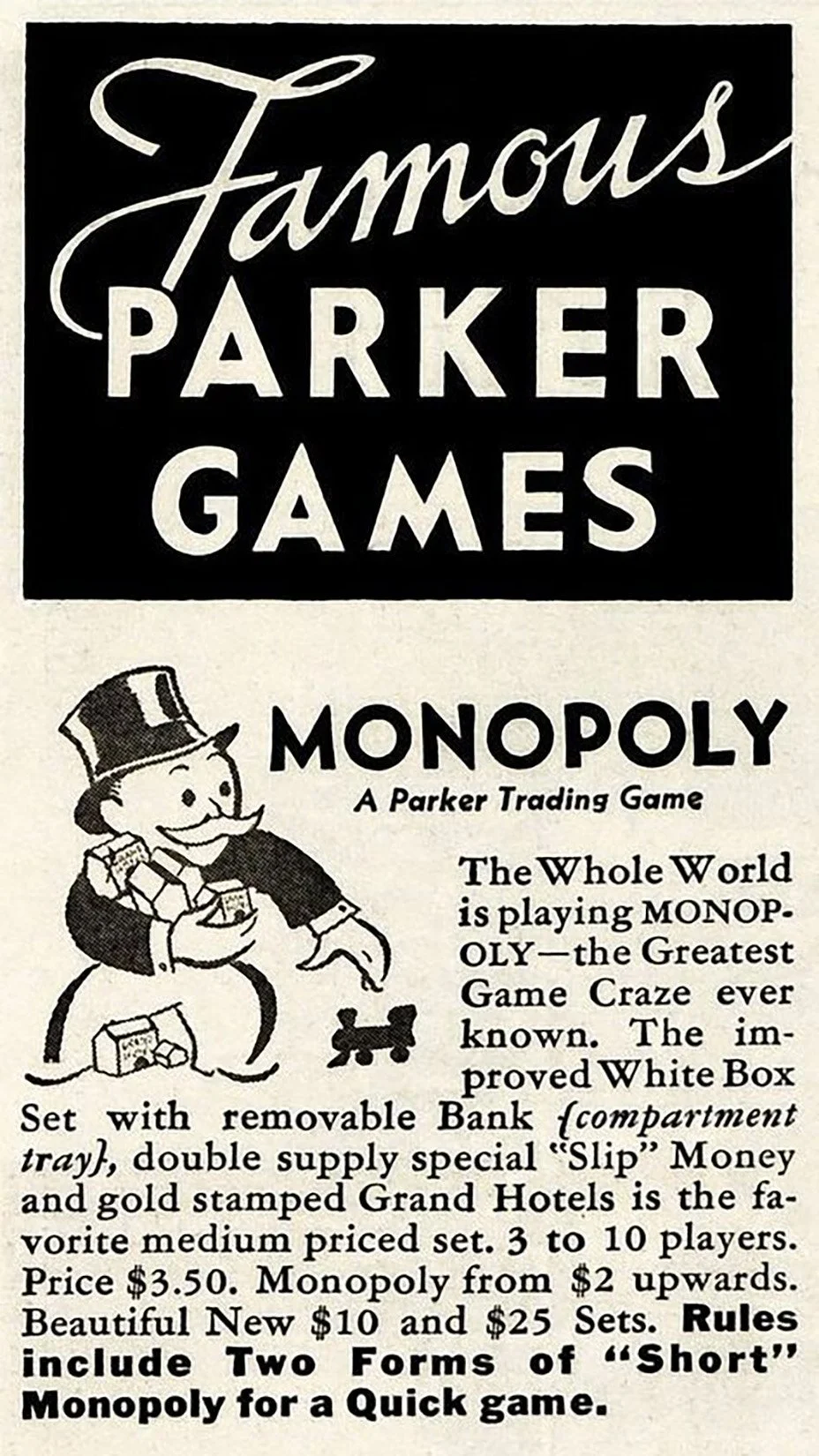
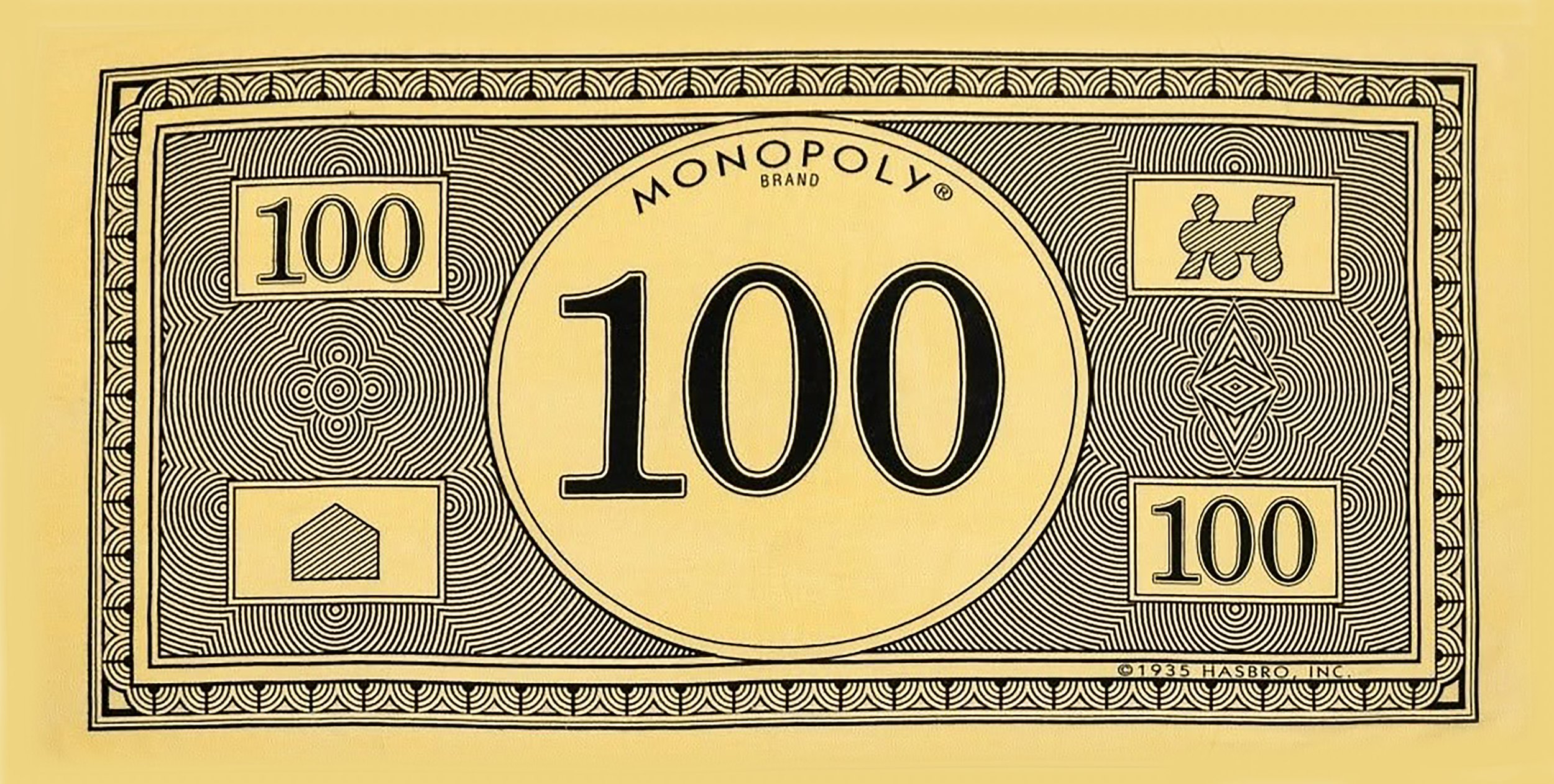
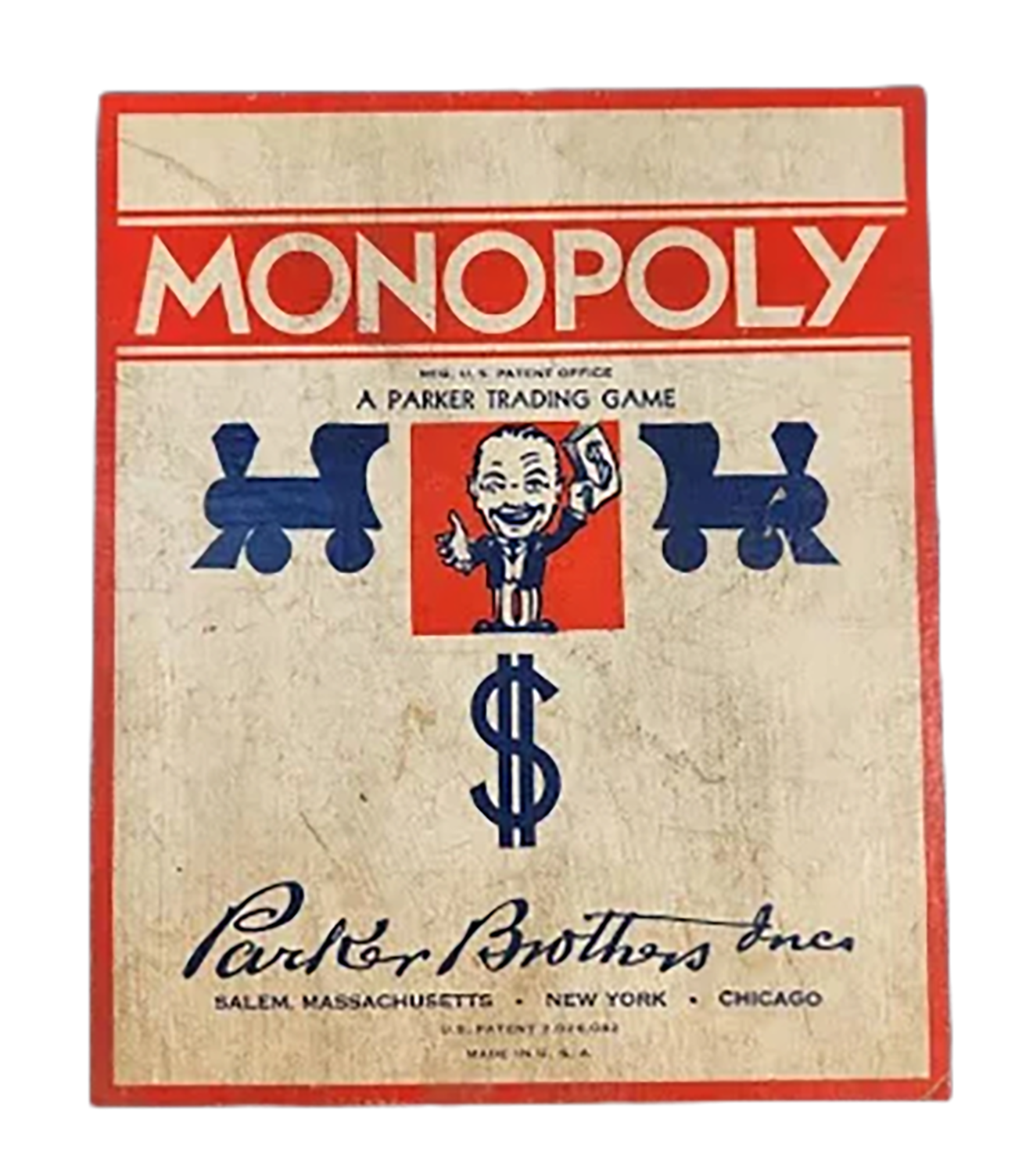
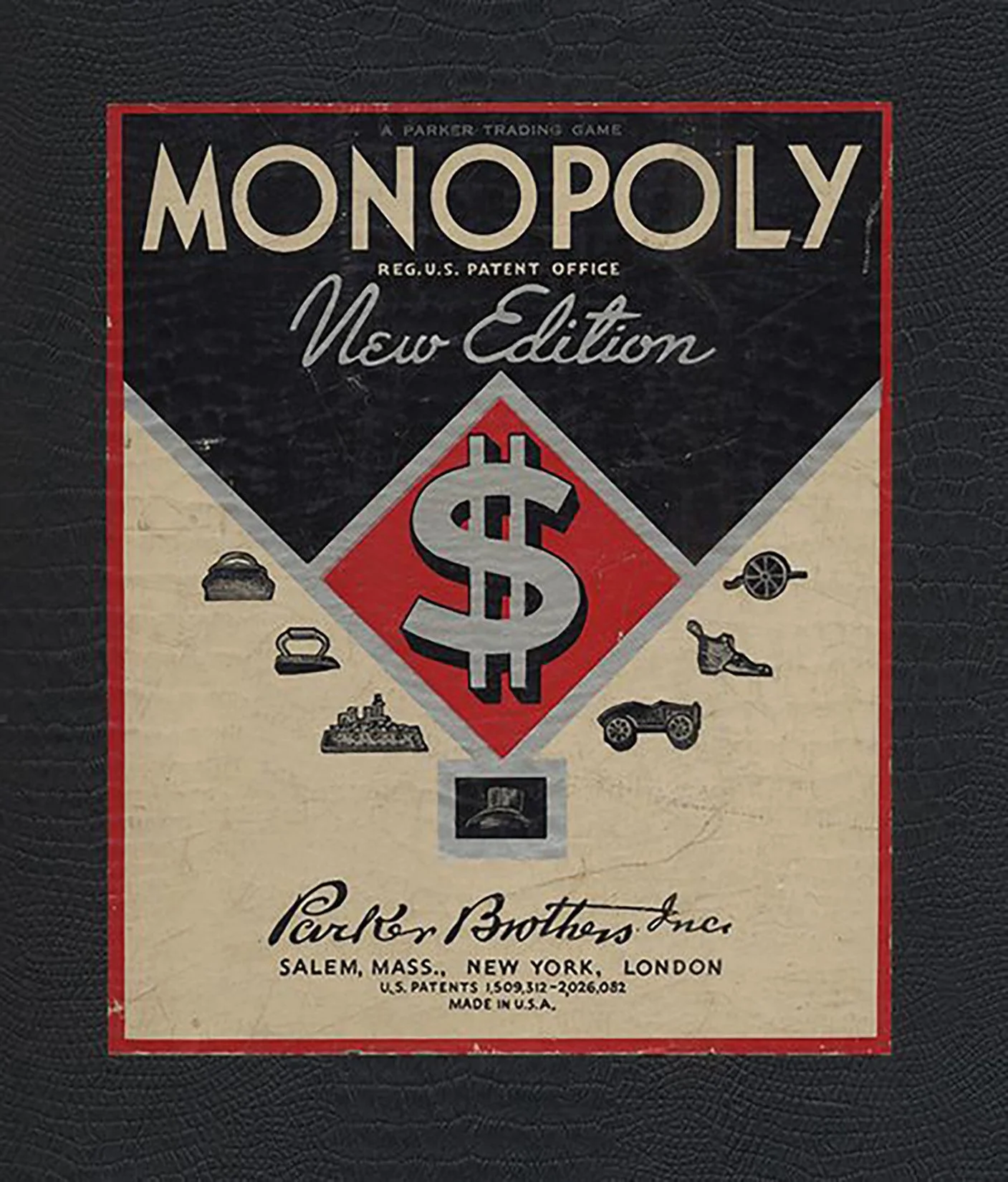
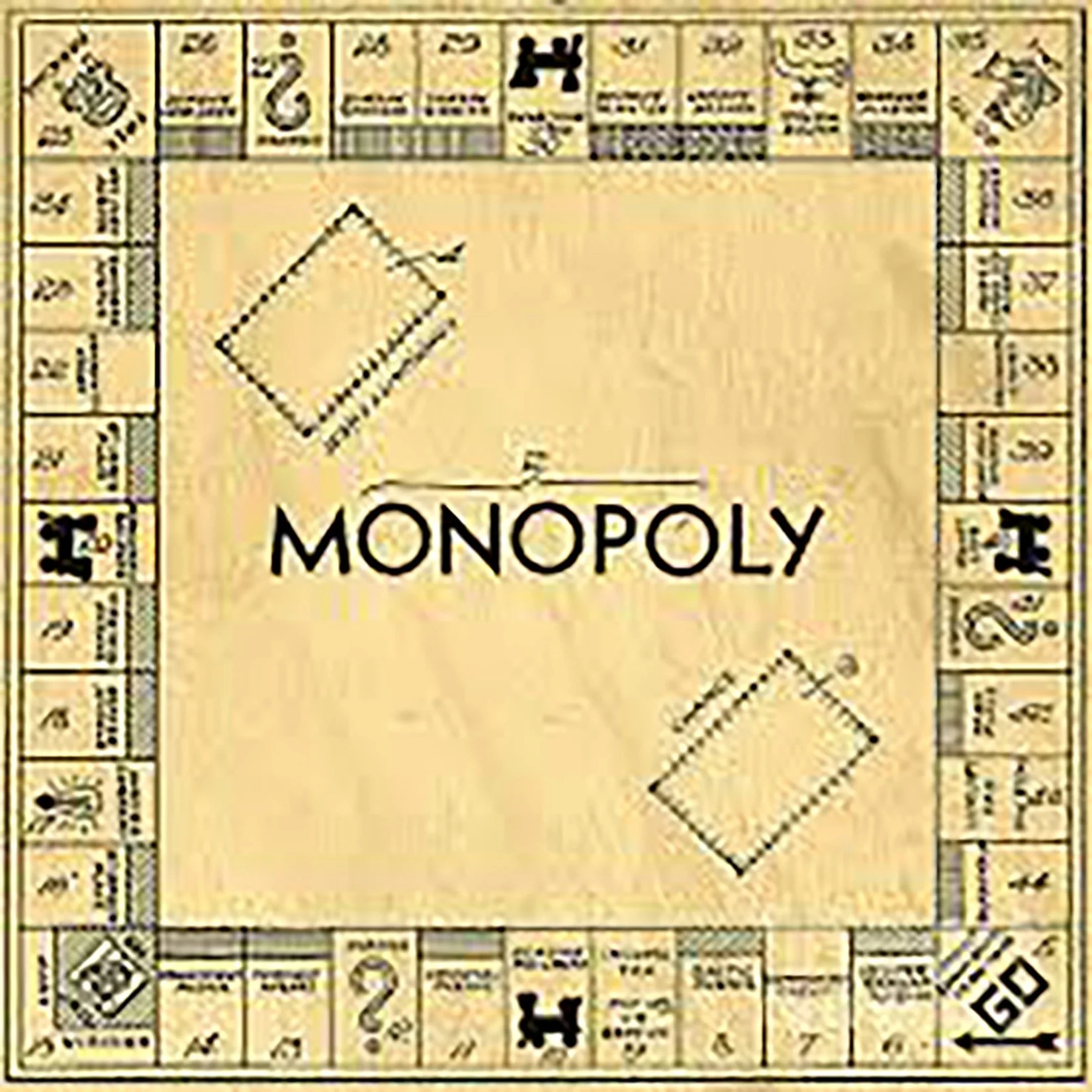
Monopoly originated during the early 20th century, evolving from a folk game known as “The Landlord’s Game,” created by Elizabeth Magie in 1903 to demonstrate the effects of land monopolies and economic inequality. Over time, the game was adapted, simplified, and widely shared under various homemade versions until it was commercially refined and popularized in the 1930s by Charles Darrow, who presented his version to the Parker Brothers. The game’s success quickly spread during the Great Depression, offering players an engaging simulation of buying, trading, and developing property in a competitive marketplace. Its design—centered on familiar streets, chance cards, and strategic financial decisions—helped it become one of the most recognizable board games in history.
FROM BOARD GAME
TO BRAND EMPIRE
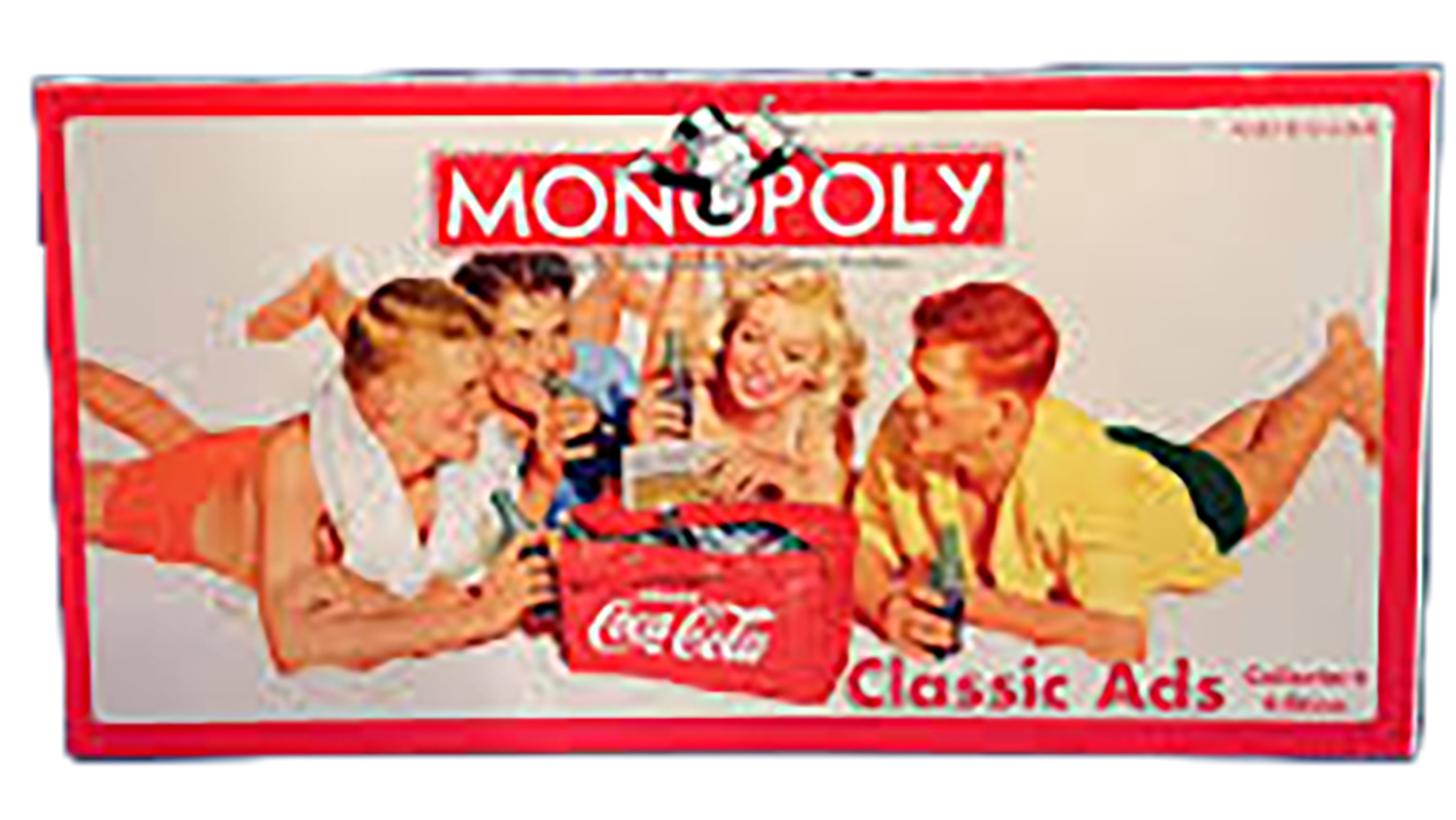
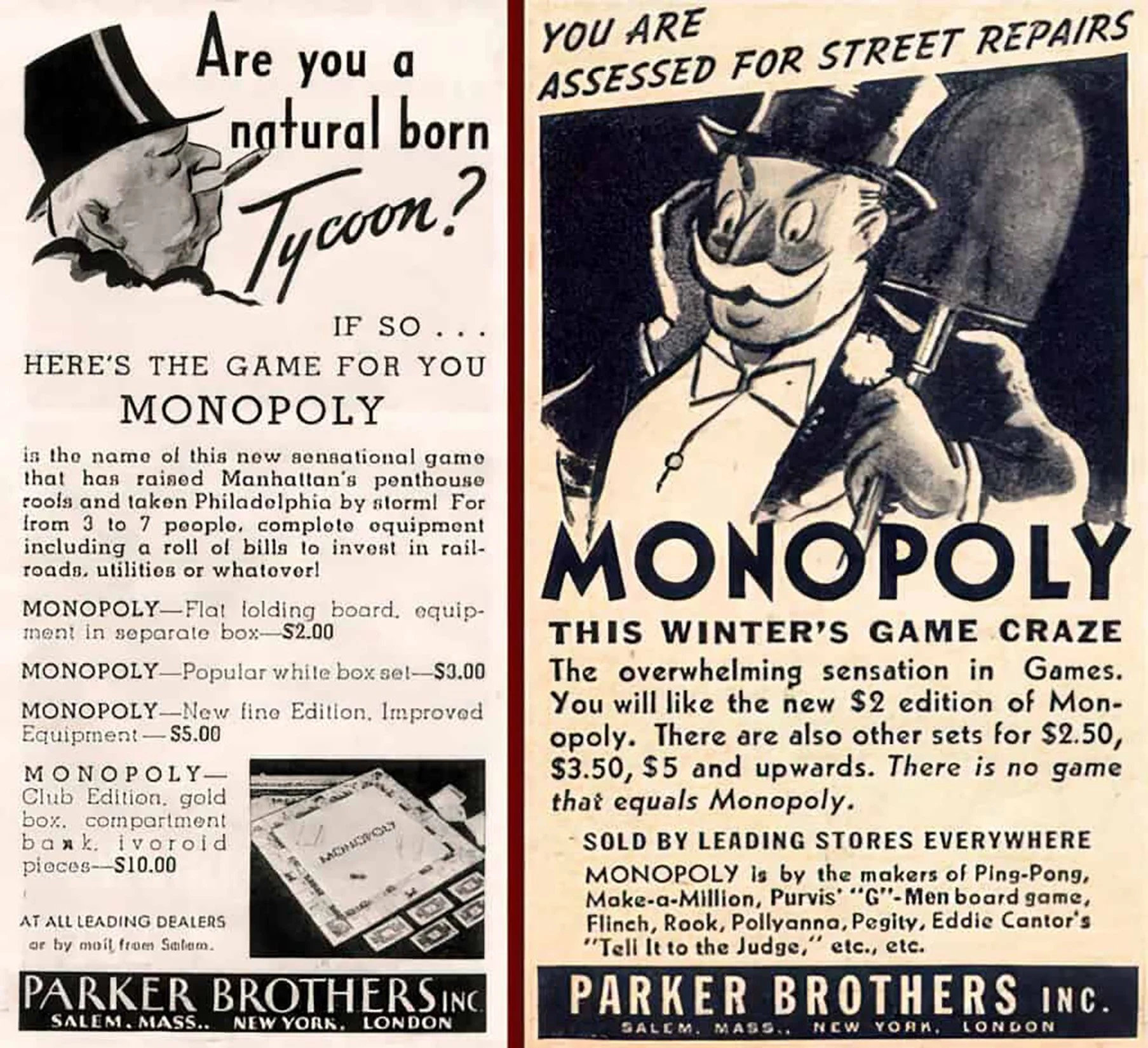
As Monopoly's popularity grew, Parker Brothers expanded production to meet high demand during the Great Depression, when the game's themes of wealth and financial success resonated with many families. By the late 1930s, Monopoly had become one of the best-selling board games in the United States and was being translated and distributed internationally. During World War II, special editions were produced for Allied prisoners of war that secretly contained maps, currency, and escape tools hidden inside the game components. Over the following decades, Monopoly continued to evolve through updated boards, regional editions, and licensed versions while maintaining the property trading and financial strategy that made it famous. Today, Monopoly remains one of the best-selling and most widely recognized board games in history.