PLAY-DOH
FROM WALLPAPERS, TO THE HANDS OF CHILDREN
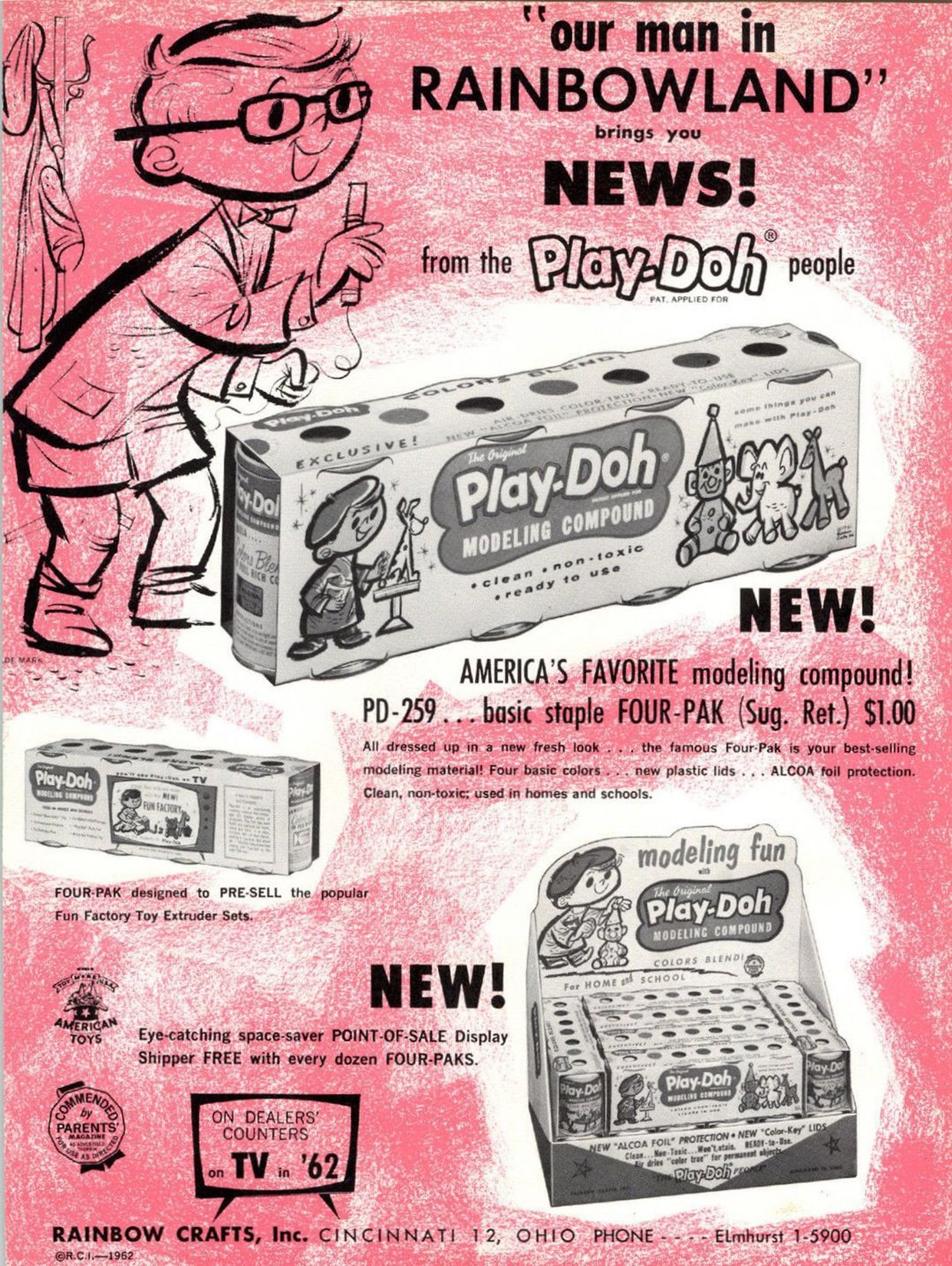
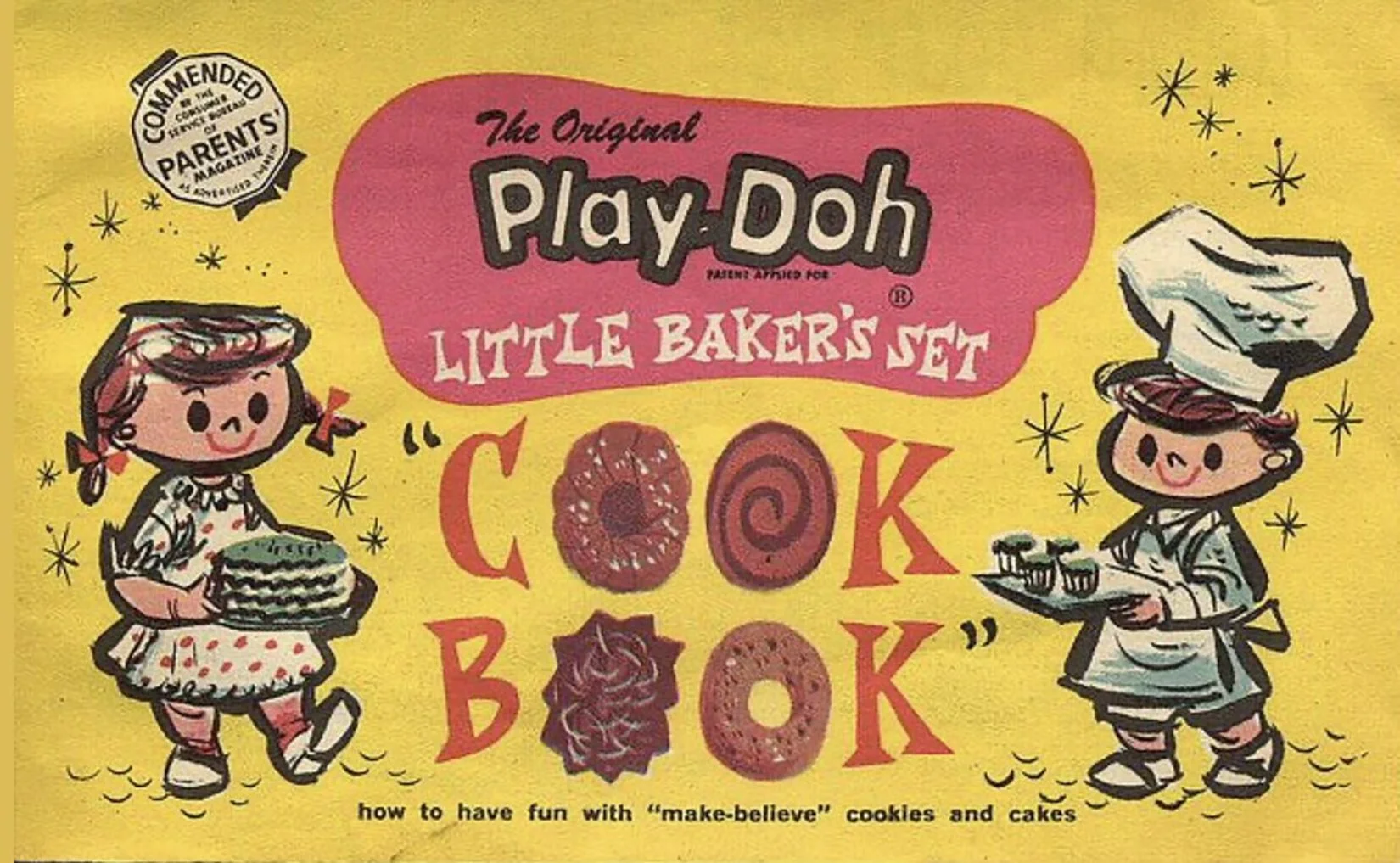
Play-Doh was invented by Noah and Cleo McVicker of the Cincinnati-based soap manufacturer Kutol Products in 1933 as a non-toxic cleaning product used to remove coal soot from wallpaper. As coal heating became less popular and families switched to gas heating, sales declined rapidly. Fortunately, in 1955, nursery school teacher Kay Zufall realized that the soft, non-toxic compound was perfect for young children to use in art projects. It was softer and easier to use than clay, and children found it fun to play with.
STILL SHAPING CHILDHOODS
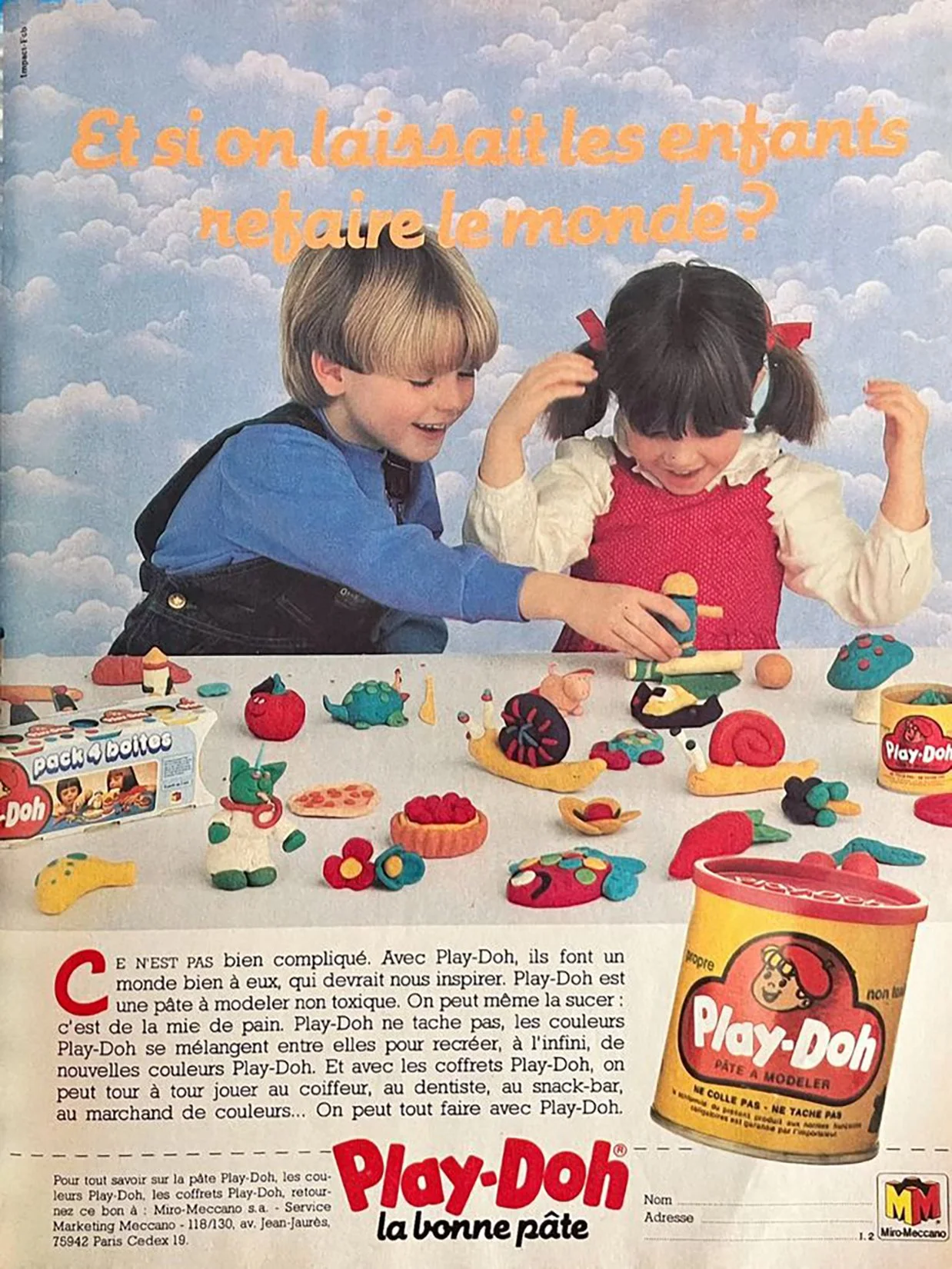
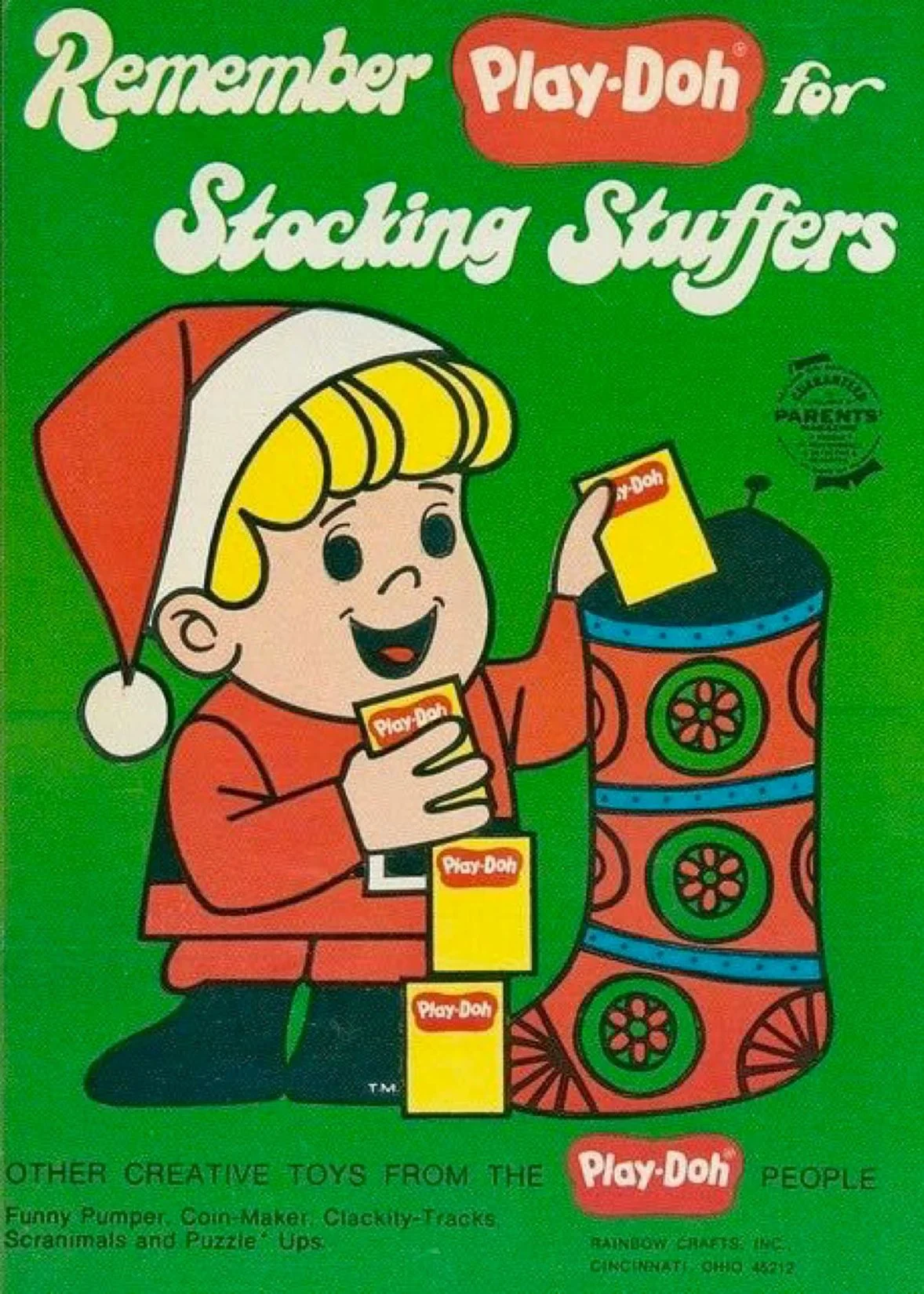
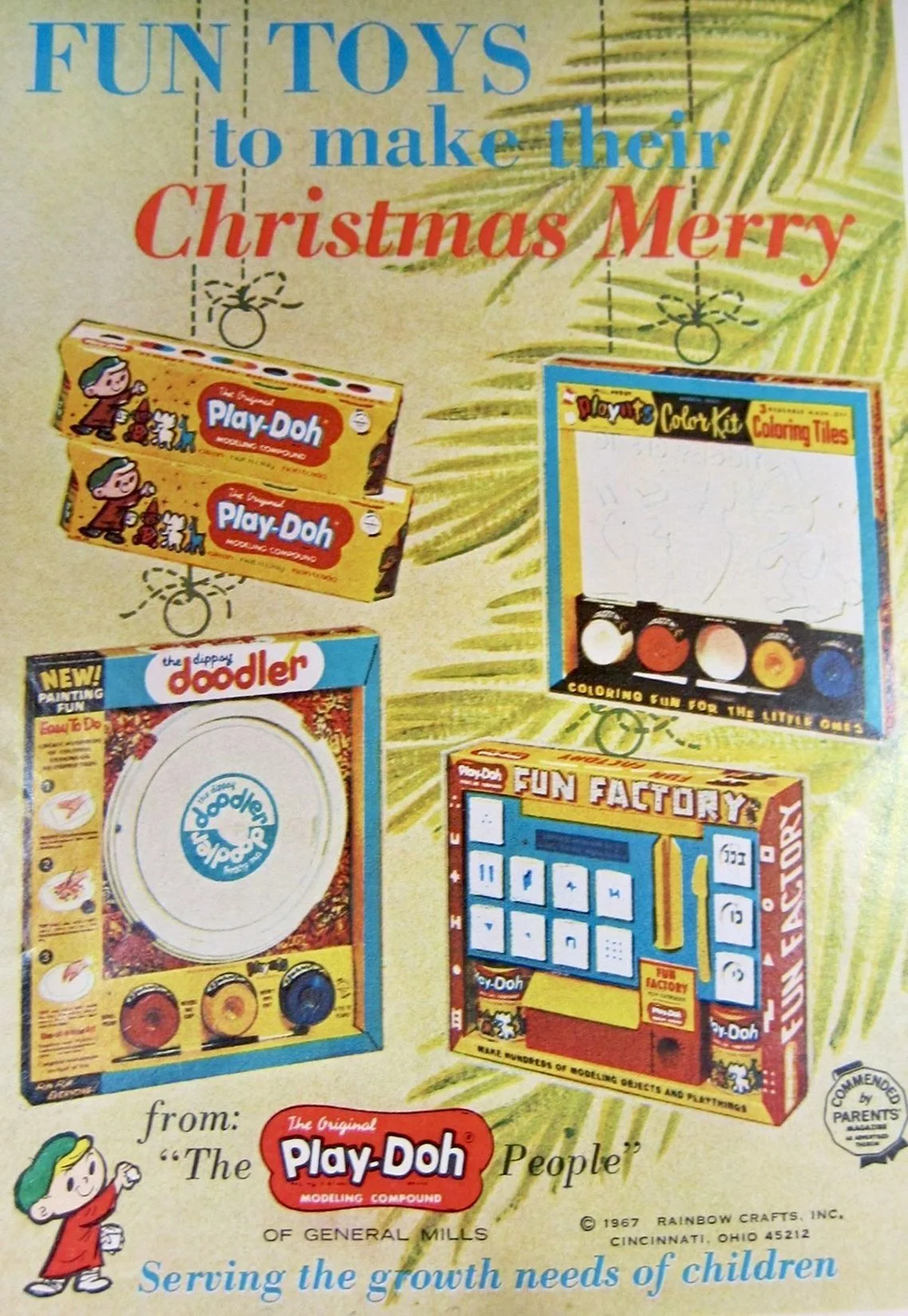
Zufall suggested the iconic Play-Doh name that is still used today. Working alongside Joseph McVicker, the Play-Doh compound was reformulated and officially introduced as a children's toy in 1956. The product was first marketed to elementary schools in the Cincinnati area. With little money available for advertising, its creators partnered with the popular children's television program Captain Kangaroo, where the toy was demonstrated to millions of young viewers. The national television exposure quickly transformed Play-Doh into one of America's most popular toys. Following its success, Play-Doh introduced Play-Doh Fun Factories, allowing children to mold and shape the compound more easily. Play-Doh was later acquired by Hasbro in 1991, which continued to expand the line with dozens of colors and themed playsets. Today, Play-Doh remains one of the world's most recognizable creative toys, cherished by generations of children while retaining its distinctive look, texture, and scent.