Q-TIPS
THE INVENTION OF Q-TIPS
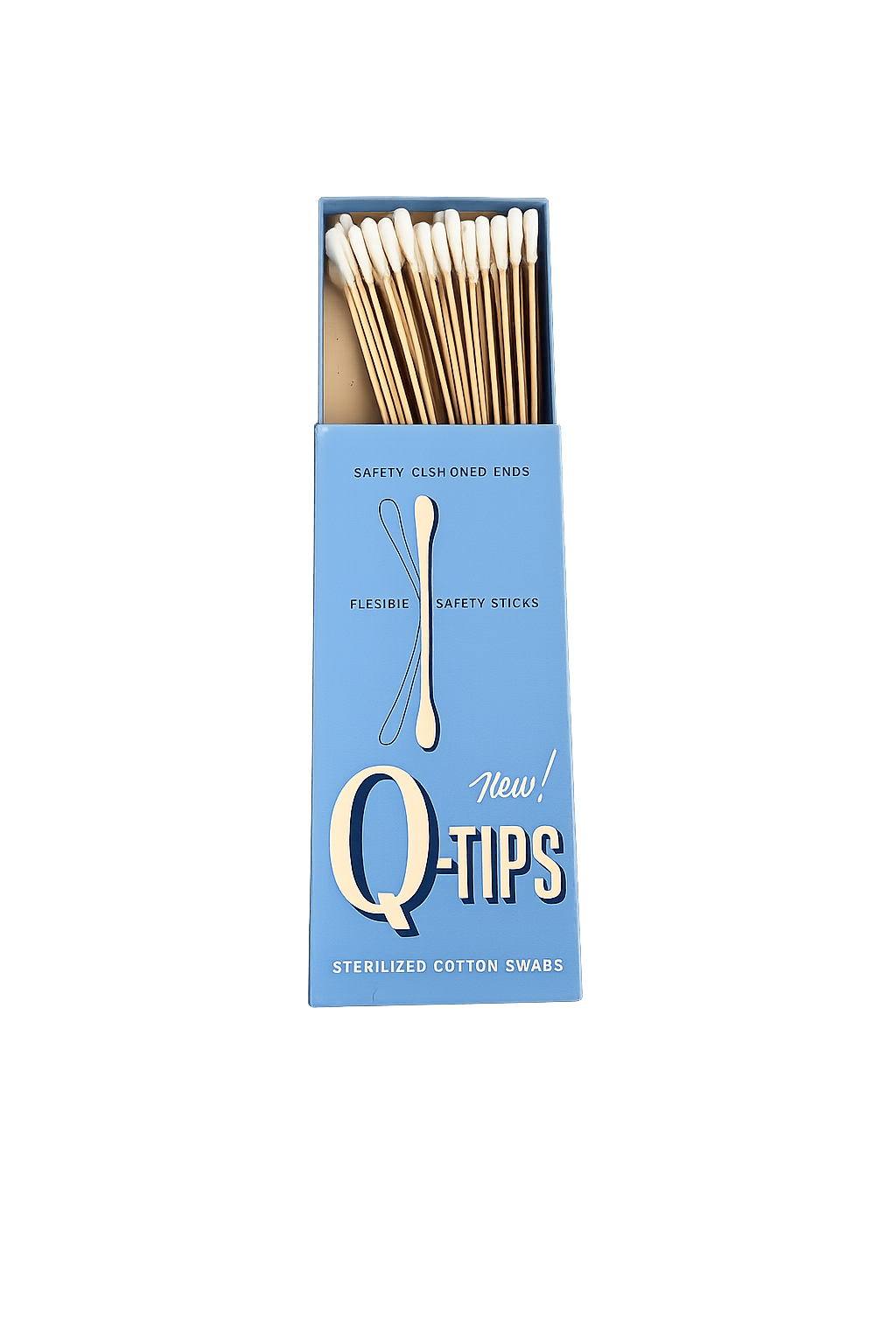
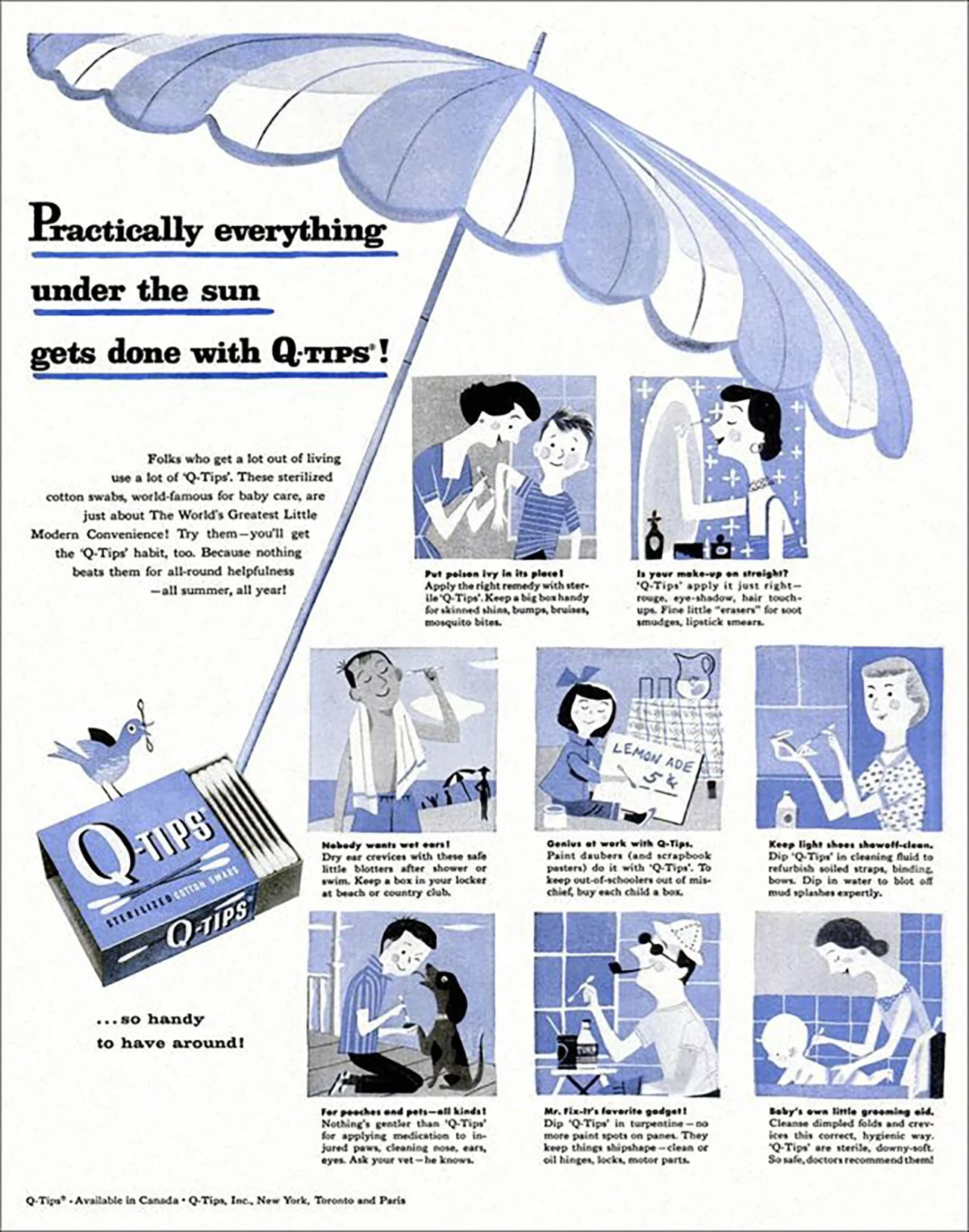
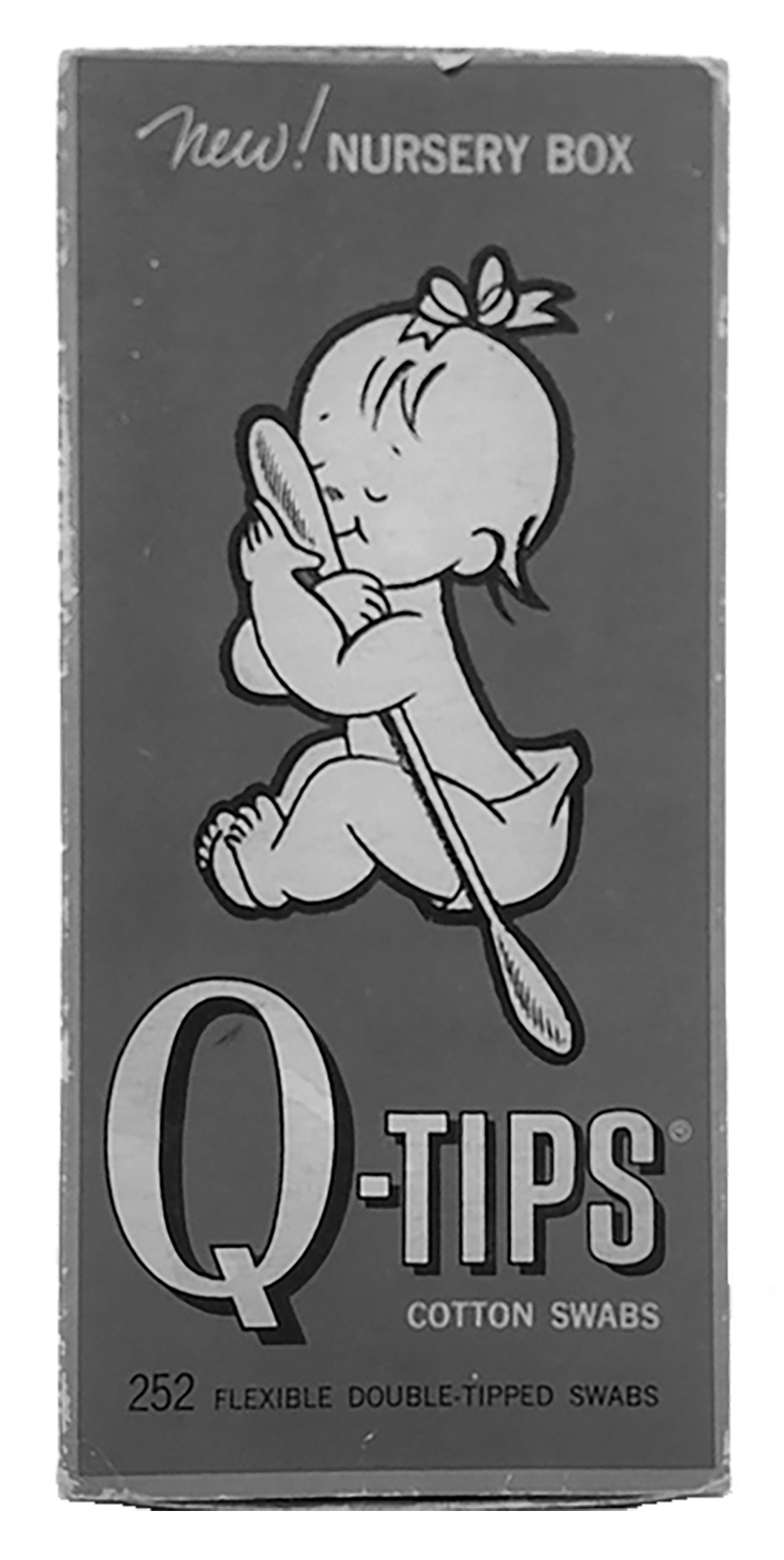
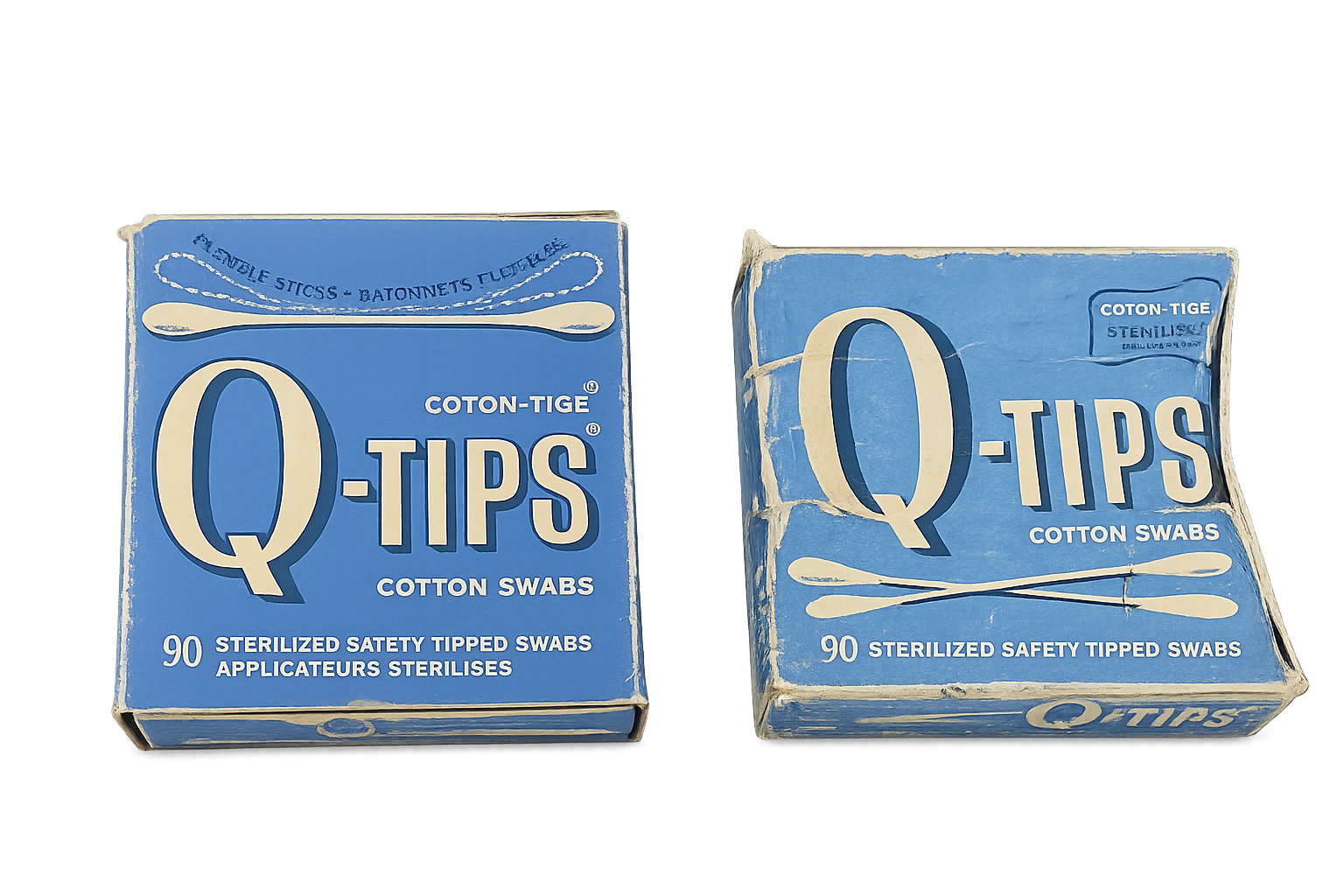
Q-tips were invented in 1923 by Polish American entrepreneur Leo Gerstenzang after he noticed his wife wrapping cotton around the ends of toothpicks to clean their baby’s ears. Inspired by the idea, Gerstenzang developed a factory-made cotton swab that was safer, cleaner, and more convenient than homemade versions. The product was originally sold under the name “Baby Gays” before being renamed Q-tips, with the “Q” standing for quality. Early advertising promoted the swabs as hygienic household tools useful for personal care, baby care, and medical purposes.
MORE THAN JUST A
COTTON SWAB
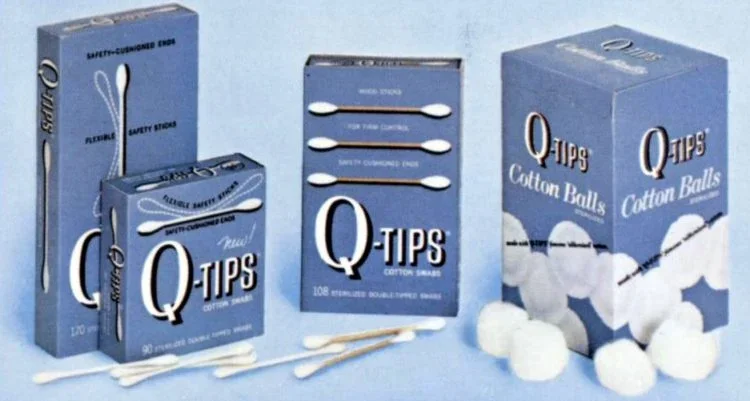
As disposable hygiene products became more common in the 20th century, Q-tips grew into one of the most recognizable household brands in America. Their simple design and convenience made them widely used for cosmetics, cleaning delicate objects, first aid, and many everyday tasks beyond their original purpose. Over time, the brand became closely associated with cotton swabs in general, and the name “Q-tip” is now often used generically to describe similar products around the world.