VEUVE CLICQUOT
THE WIDOW WHO
CHANGED CHAMPAGNE
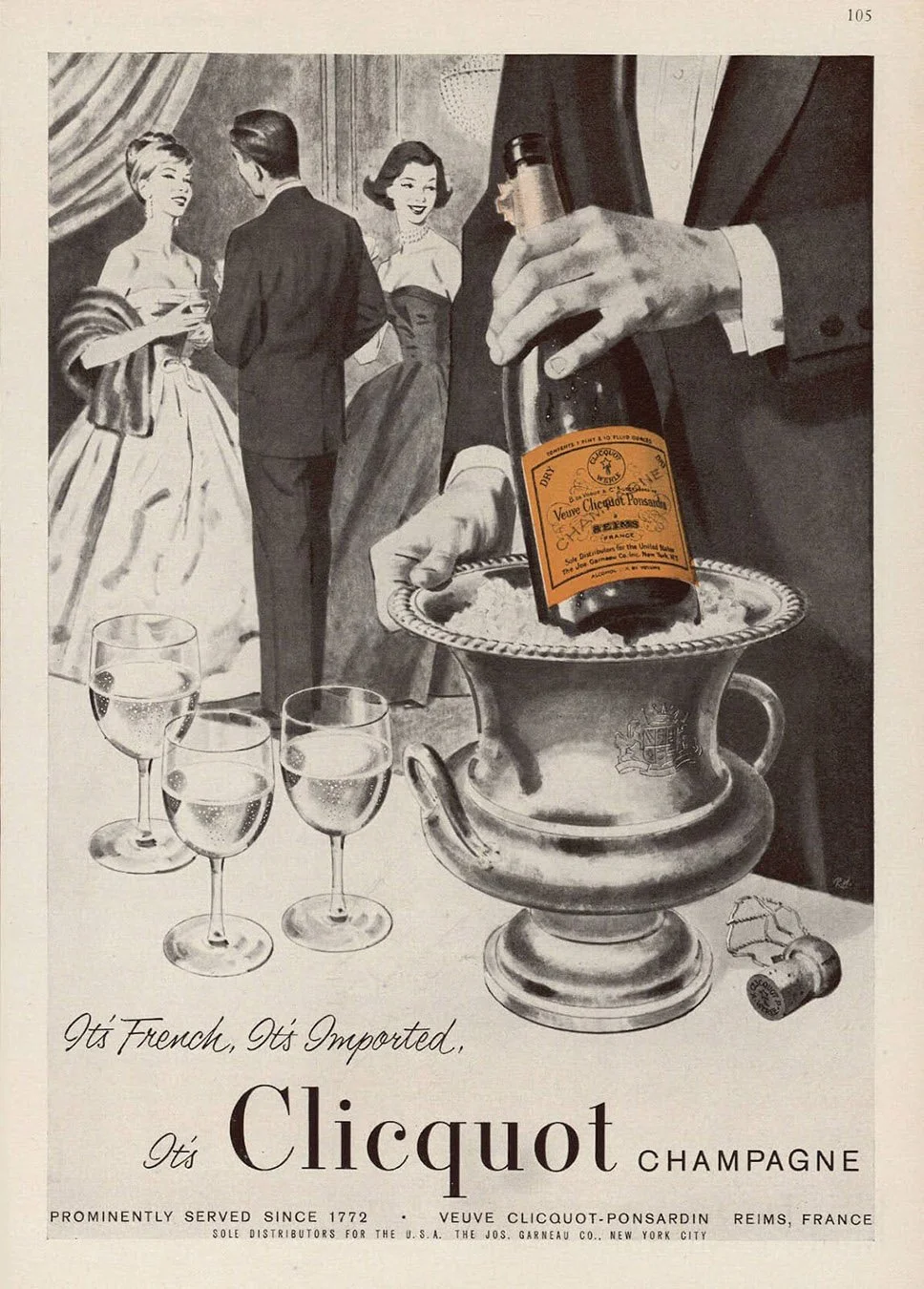
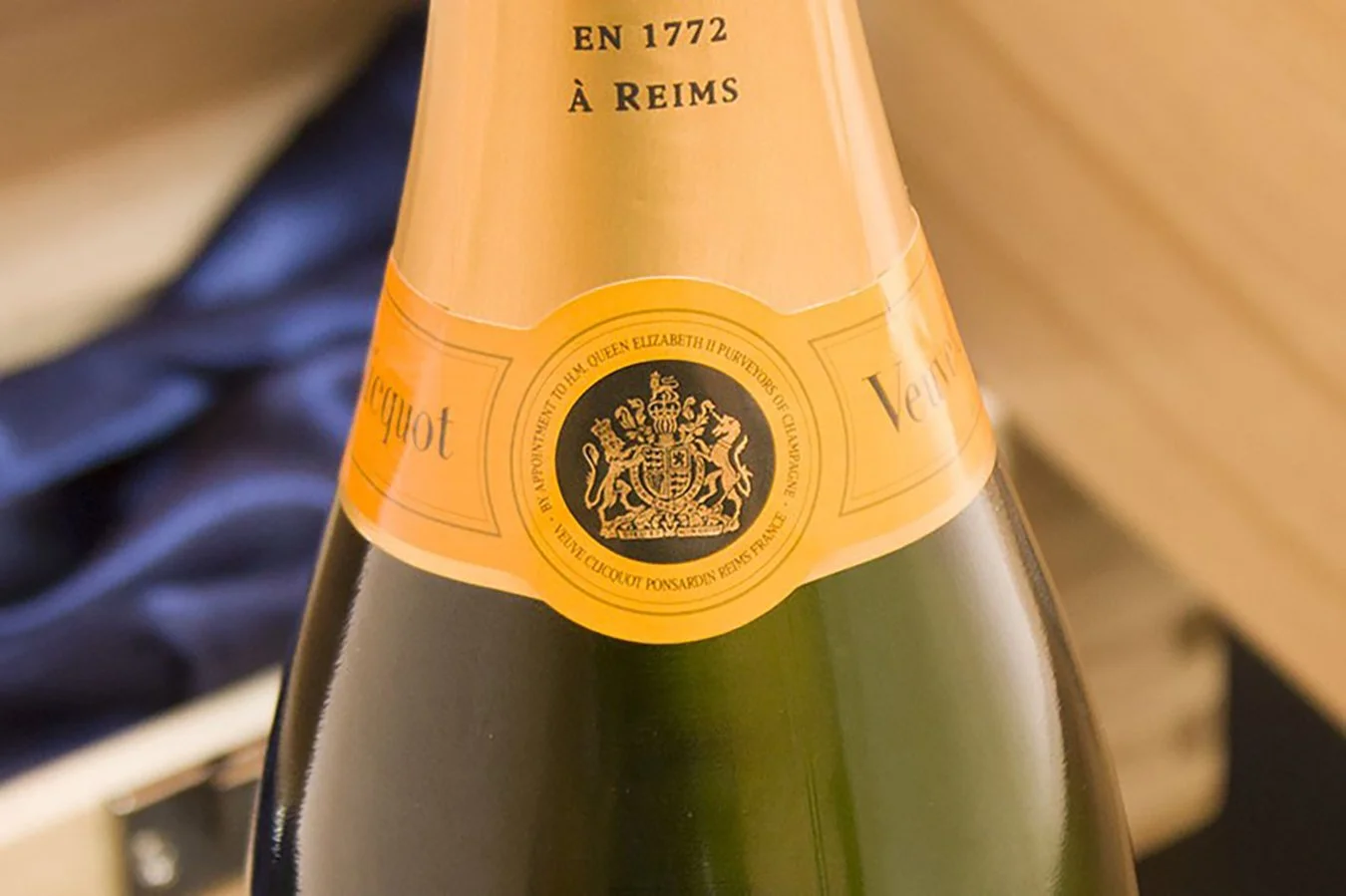
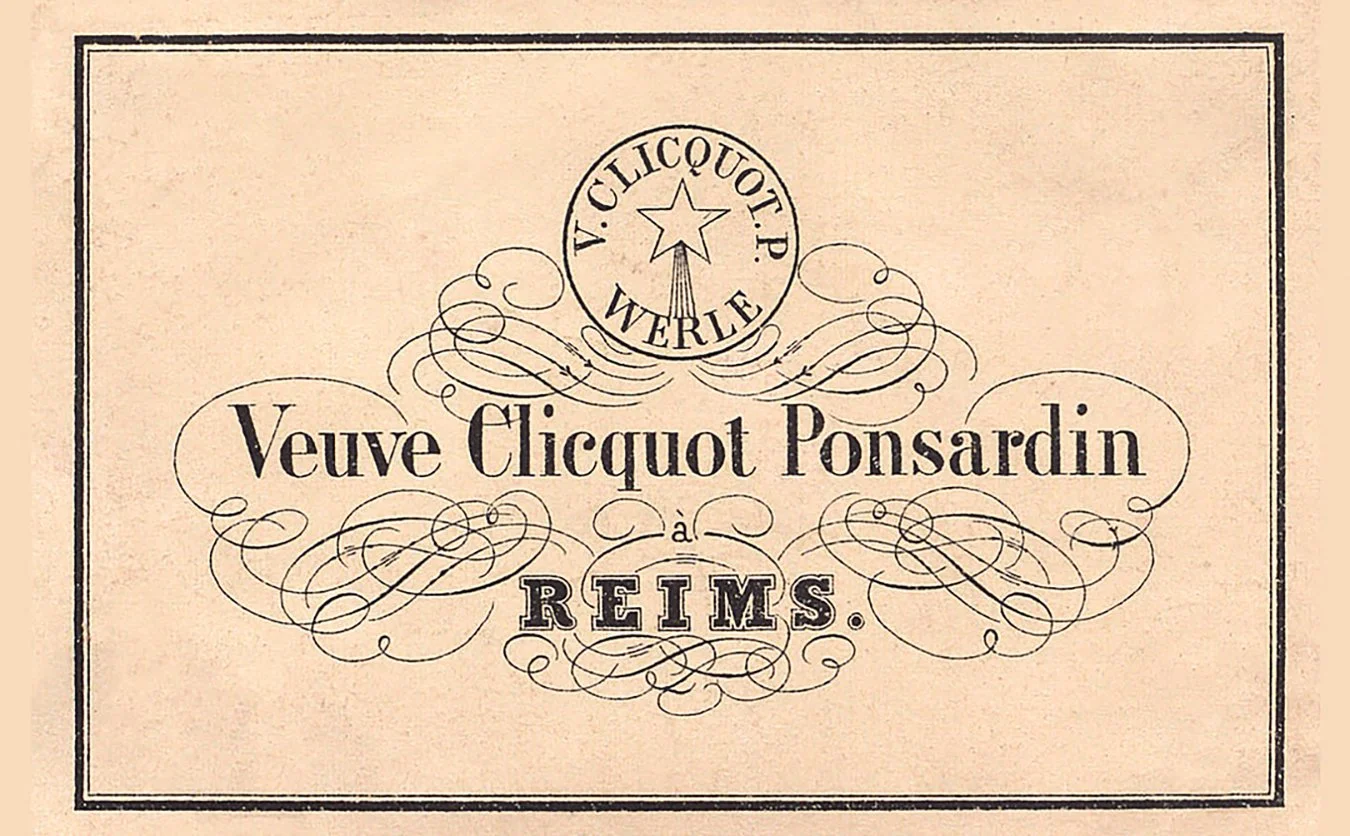
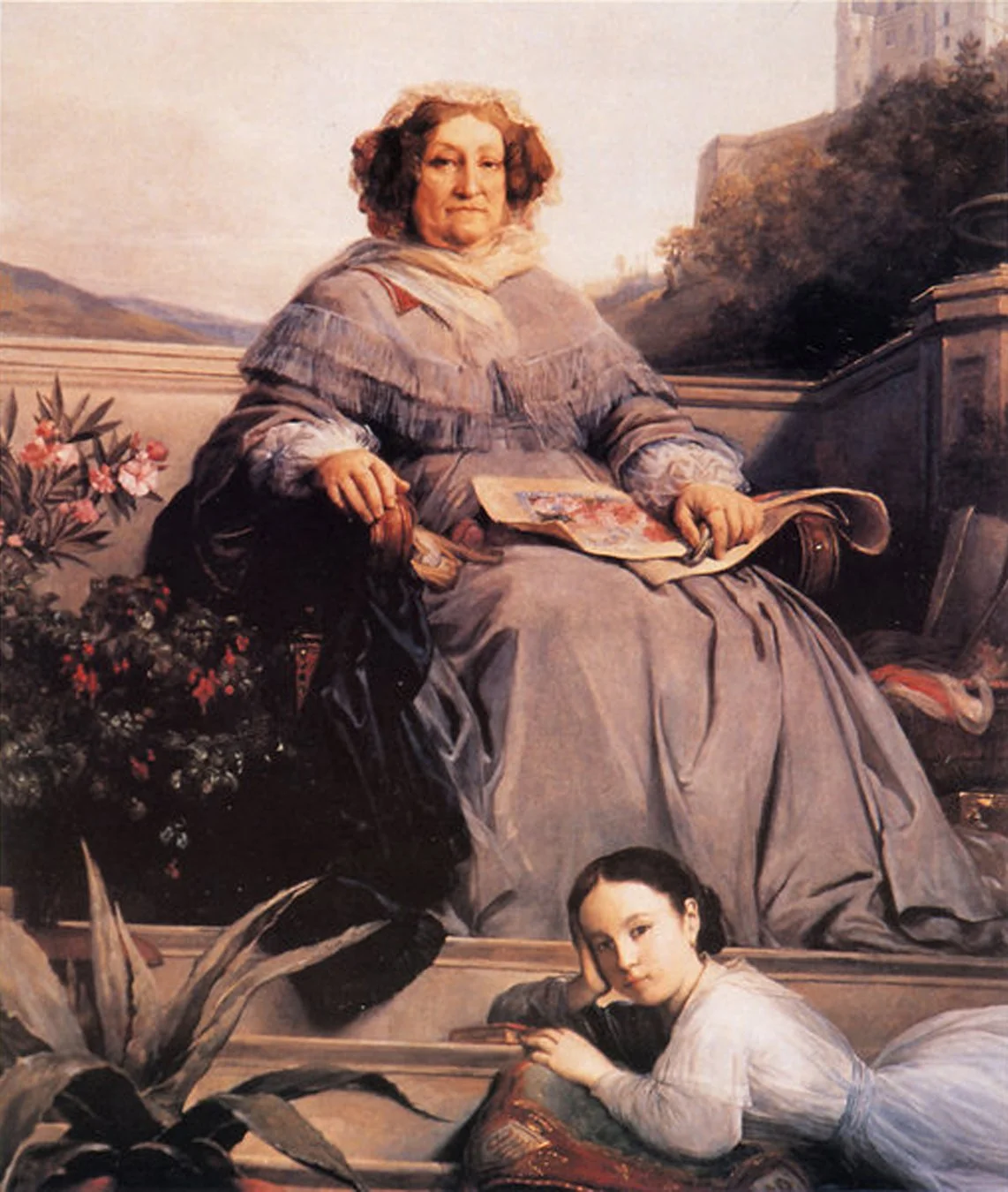
Veuve Clicquot was founded in 1772 in Reims, France by Philippe Clicquot-Muiron as a small but ambitious Champagne house during a period when the region was beginning to gain international attention. Initially a modest wine trading business, it supplied still wines and early sparkling Champagne to a growing European market shaped by aristocratic tastes and expanding trade routes. The house’s trajectory changed dramatically in the early 1800s when Barbe-Nicole Ponsardin, later known as Madame Clicquot, took control after the death of her husband. Under her leadership, the company not only survived political and economic upheaval in post-revolutionary France but also became a pioneer in Champagne production, introducing innovations such as the riddling table that refined clarity and consistency in sparkling wine.
FROM YELLOW LABEL
TO GLOBAL LUXURY
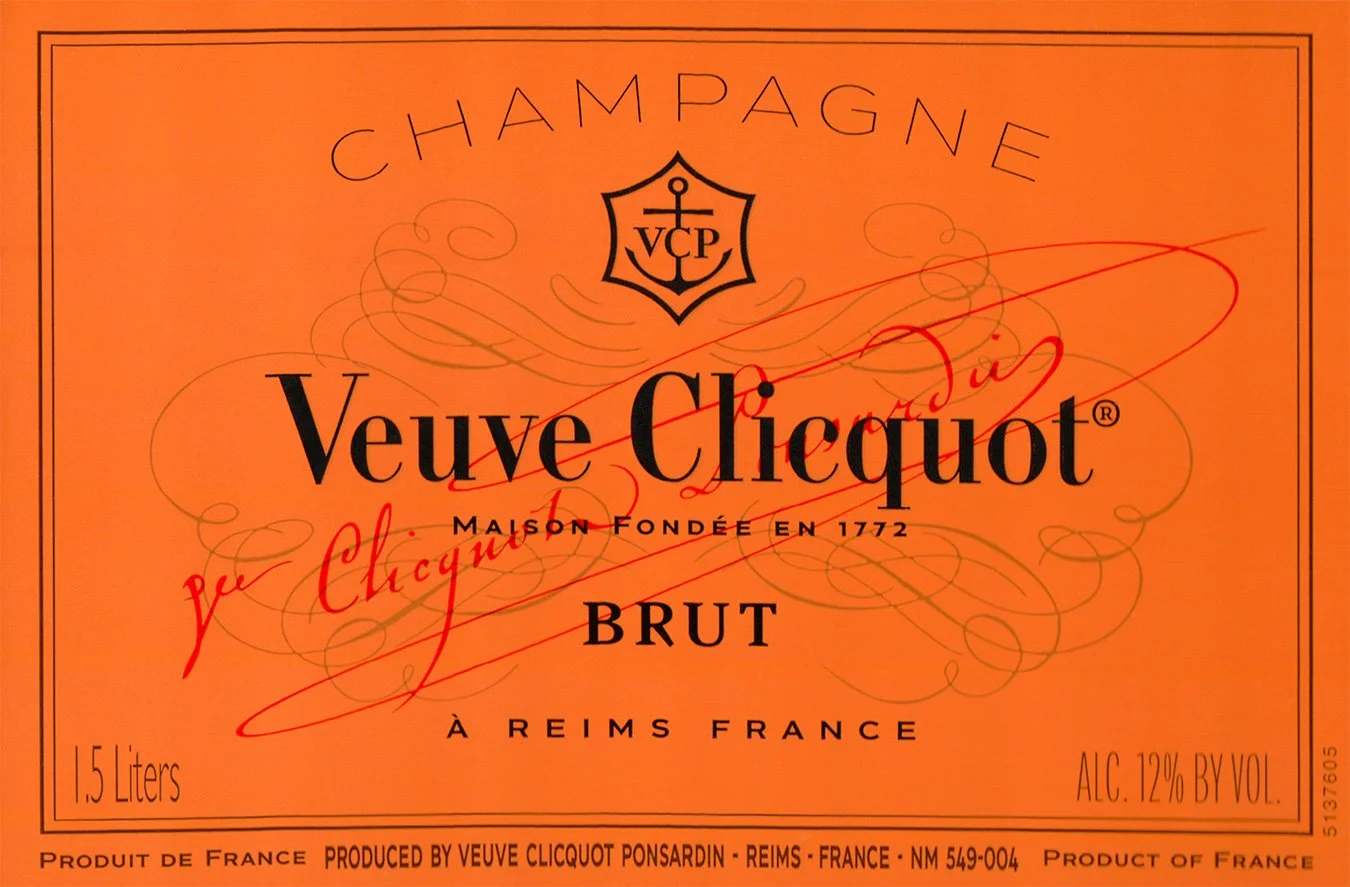
As the brand evolved, Veuve Clicquot became closely associated with a distinctive portfolio of celebrated cuvées. Its most iconic expression, Veuve Clicquot Yellow Label Brut, became a global standard for structured, full-bodied Champagne style. The house also expanded into prestige offerings such as Veuve Clicquot La Grande Dame, created to honor Madame Clicquot’s legacy and craftsmanship, as well as its elegant Veuve Clicquot Rosé, known for its vibrant fruit character and festive appeal. Together, these expressions helped solidify Veuve Clicquot’s reputation for blending tradition with bold innovation, making it one of the most recognizable luxury Champagne houses in the world.